
Dark comedies often walk a very fine line. Lean too heavily into the comedy and the darker elements lose their impact. Push too far into horror and the humour disappears altogether. TLC: The Lonely Cannibal, written and directed by Niamh Noeleen, attempts to balance both sides of that equation with a satirical tale about celebrity culture, public scandals and one disgraced actor whose life spirals out of control after his darkest fantasies become public knowledge.
The short opens in deceptively calm fashion. Close-ups of food preparation, a glass of red wine being poured and a beautifully presented meal immediately create an atmosphere of luxury and comfort. Jeremiah Horne, an A-list actor played by Tom Wheeldon, sits down to enjoy his dinner when his world suddenly collapses. A news report announces that he has been exposed as a cannibal, or at least someone with deeply disturbing cannibalistic fantasies.

What follows is less a horror story and more a darkly comedic character study. Jeremiah’s immediate concern is not whether he might face legal consequences or public outrage, but whether his career is over. His manager quickly informs him that jobs are already disappearing and that nobody in the film industry will want to touch him. It is a funny observation on celebrity culture, where public image often seems more important than anything else.
As the scandal grows, Jeremiah finds himself trapped in an increasingly surreal nightmare. His ex-girlfriend appears on television discussing her experiences with him, a publicist desperately tries to construct a damage-control strategy, and therapists attempt to unpack his increasingly bizarre confessions. The situation becomes even more absurd when the proposed solution involves presenting Jeremiah as a vegan in an effort to repair his public image.
Much of the film plays directly to the audience. Characters frequently address the camera, creating the feeling of watching a stage play or satirical television sketch. In fact, TLC: The Lonely Cannibal often feels like it could be adapted very effectively for the theatre. Large portions of the film consist of conversations, interviews, therapy sessions and monologues, with performers speaking directly to viewers rather than through traditional cinematic staging.
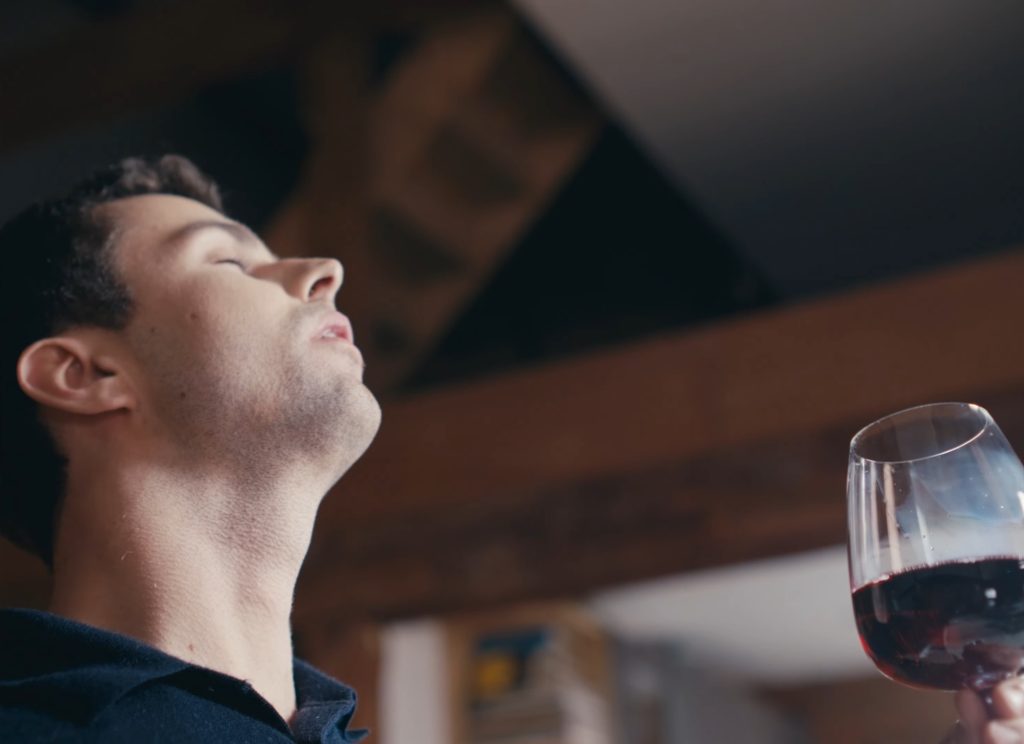
Tom Wheeldon carries the film well as Jeremiah. The character is difficult to like, yet Wheeldon manages to keep him entertaining throughout. His gradual descent from self-important celebrity to isolated wreck forms the backbone of the story. There is a desperation beneath the character’s arrogance that becomes increasingly apparent as more people abandon him.
The supporting cast deserve praise as well. Paige Canavan-Smith, Anaïs Fallow, Lucia Del Rio Hall and Natasha Ryszka-Onions all play multiple roles throughout the film, shifting between therapists, media figures, family members and other figures in Jeremiah’s life. Considering the low-budget nature of the production, the performers do a solid job differentiating their various characters and keeping the satire moving.
Visually, the film is stronger than its modest resources might suggest. There are several genuinely attractive compositions throughout. One particularly effective image sees Jeremiah sitting in front of a brightly lit window, reduced largely to silhouette. It is a striking shot and demonstrates that there is real visual talent behind the camera. The lighting in general is handled well, helping elevate the production beyond its budget limitations.
The film’s satirical approach also works in its favour. While it never explicitly references any particular real-world scandal, viewers may find themselves drawing comparisons to certain celebrity controversies from recent years. The screenplay uses those ideas as a jumping-off point to examine cancel culture, public perception, media outrage and the performative nature of celebrity apologies.
Not everything works quite as smoothly. The audio occasionally proves problematic. There are noticeable moments where lavalier microphones rustle during performances, while some of Jeremiah’s louder scenes suffer from distortion. These issues never completely derail the film, but they do become distracting at times.
The pacing can also feel uneven in places. Some sequences linger slightly longer than necessary, particularly during the various interview and therapy scenes. However, the film largely compensates through its increasingly bizarre narrative turns and willingness to embrace absurdity.
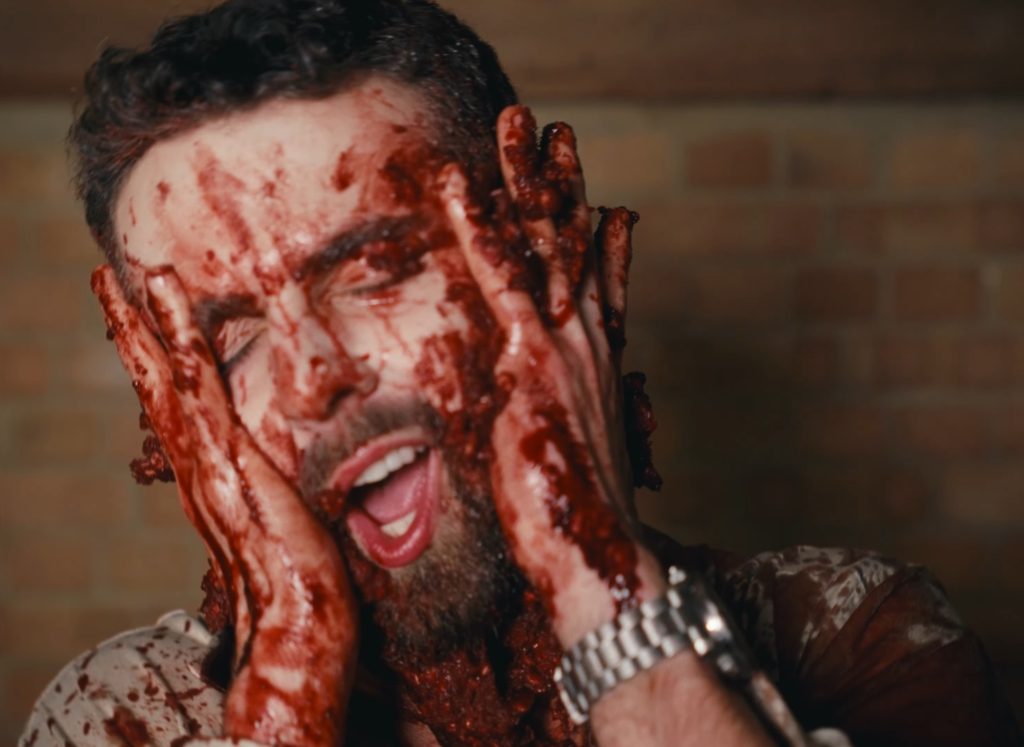
The biggest surprise arrives later in the film when the comedy gives way to a sequence of unexpectedly graphic body horror. Without revealing specifics, it is a moment that contrasts sharply with the largely dialogue-driven first half. The practical effects, combined with effective sound design, create a genuinely uncomfortable scene that is likely to make many viewers squirm.
Ultimately, TLC: The Lonely Cannibal is an ambitious little black comedy that succeeds more often than it fails. It is clearly working with limited resources, but Niamh Noeleen demonstrates creativity behind the camera, while the cast fully commit to the film’s unusual tone. The satire is sharp enough to provoke thought, the performances are engaging, and the occasional flashes of horror help prevent the film from becoming too comfortable.
It may not be technically flawless, but there is enough skill, imagination and dark humour on display to make TLC: The Lonely Cannibal a worthwhile watch for fans of offbeat independent cinema. It is strange, occasionally uncomfortable, and often amusing – exactly the qualities many viewers look for in a good black comedy.
| Acting | |
| Direction | |
| Cinematography | |
| Writing | |
| Sound | |
| Screen Critix Rating |