
There are documentaries that simply tell you about a person, and then there are documentaries that make you want to learn more about them long after the credits roll. The Messenger of Joy, directed by Alexander Kwanje, firmly falls into the latter category. This engaging and beautifully crafted documentary explores the life and work of Nasser Ovissi, one of the most celebrated figures in modern Iranian art, while also offering a fascinating glimpse into Persian culture, history and identity.
Going into the documentary, we at Screen Critix knew very little about Ovissi. By the time the film ended, we felt as though we had been introduced not only to a remarkable artist, but also to a man whose life story is every bit as compelling as the paintings that made him famous.
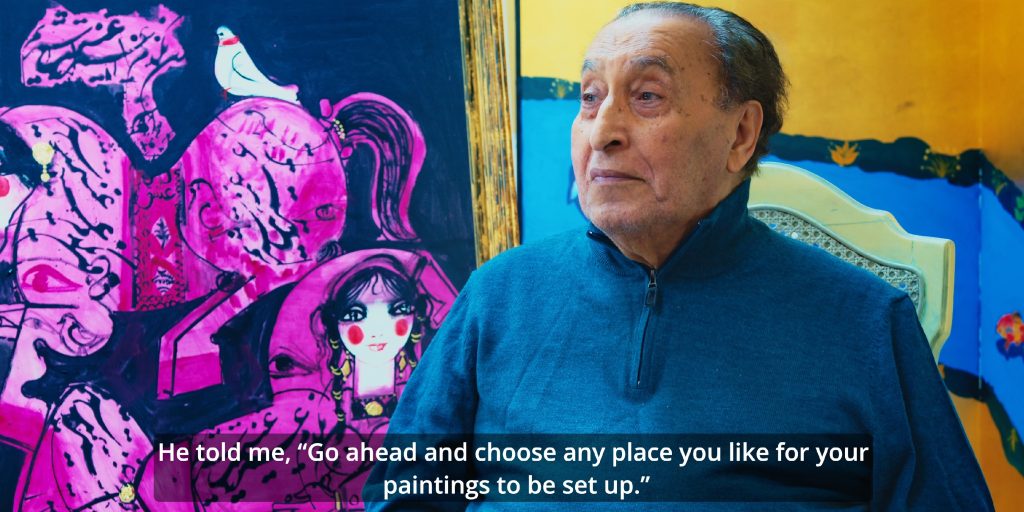
The documentary opens with a selection of Ovissi’s artwork accompanied by quotations before transitioning into a striking animated sequence depicting the artist painting outdoors alongside a unicorn. It is an imaginative opening that immediately establishes the film’s appreciation for creativity and visual expression.
From there, Kwanje begins to unpack the extraordinary story of a man whose influence on contemporary Persian art cannot be overstated.
Born in Tehran in 1934, Ovissi’s path was far from straightforward. He initially studied law and political science at the University of Tehran before eventually pursuing his true passion in Rome, where he studied fine arts. The documentary carefully charts this journey, exploring how a young man expected to follow a more conventional career path became one of the pioneers of Iranian modern art.
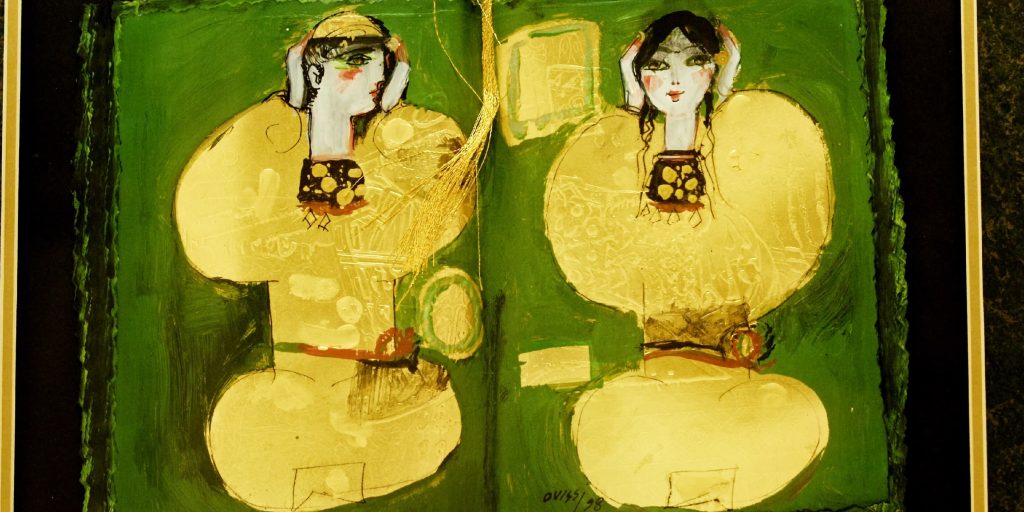
One of the film’s greatest strengths is the way it balances biographical detail with discussions about the artwork itself. Ovissi’s paintings are not merely presented as beautiful images to admire. Instead, the documentary takes time to explore the themes, symbols and cultural influences that shaped them.
His depictions of Persian women receive particular attention. The film explains how women became central figures within much of his work, often portrayed with elegance, strength and dignity. Experts and historians discuss how Ovissi’s art remained deeply rooted in Persian identity while simultaneously embracing contemporary artistic techniques. The result was a body of work that successfully bridged tradition and modernity.
The talking-head interviews that accompany these discussions are exceptionally well presented. Far too many documentaries rely on contributors sitting in front of plain walls under uninspired lighting. Thankfully, The Messenger of Joy avoids that trap entirely. The interviews are beautifully photographed, framed against interesting environments that complement the subject matter. Combined with close-up shots of paintings, brushes, pencils, Persian rugs and other artistic tools, the documentary maintains visual interest throughout its running time.
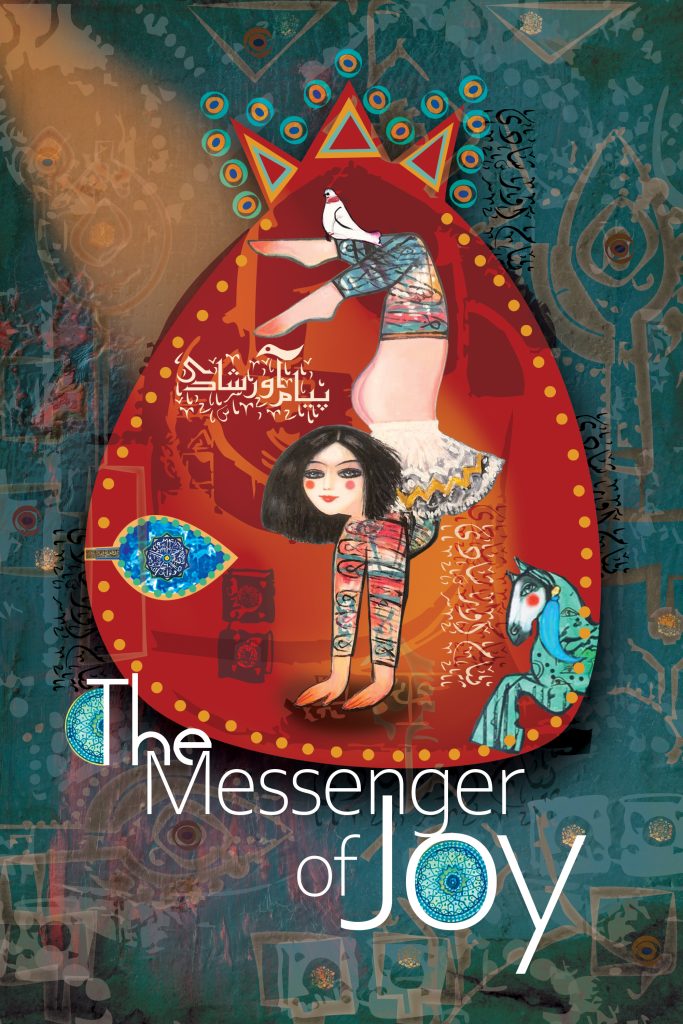
Perhaps the most surprising aspect of Ovissi’s life explored here is his diplomatic career. Before dedicating himself fully to art, he served as a cultural attaché and diplomat, representing Iran abroad in cities such as Rome and Madrid. The documentary repeatedly returns to the idea that Ovissi effectively lived two lives: one as an ambassador and another as an artist.
Yet it quickly becomes apparent which role truly mattered to him.
One of the documentary’s most touching sequences involves Ovissi reflecting on his childhood. He recalls a close friend named David Suratger, whose family home fascinated him as a boy. While Ovissi came from modest circumstances, his friend seemed to have everything, including wonderful toys and a beautifully decorated house during Christmas.
The friendship would ultimately shape the course of his life.
David’s mother gifted the young Ovissi a set of colouring pencils, an act of kindness that inspired him to begin drawing seriously. Listening to Ovissi describe the importance of that simple gift is genuinely moving, particularly when we know where his artistic journey eventually led.
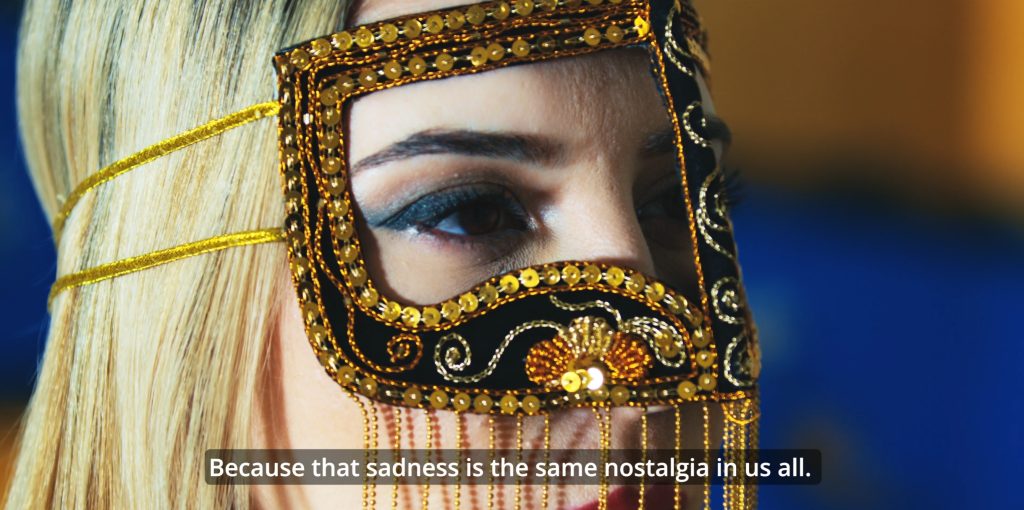
The emotional high point of the documentary comes when Ovissi reunites with Suratger after fifty years apart. Watching the elderly artist break down in tears as his childhood friend enters the room is one of those rare documentary moments that cannot be scripted or manufactured. It feels entirely genuine and serves as a powerful reminder of how much our formative relationships can shape our lives.
The film also explores the more turbulent periods of Ovissi’s career, including the Iranian Revolution and its impact on both his life and work. After leaving Iran, he eventually settled in the United States, where he continues to create art today. Throughout these chapters, the documentary examines how Ovissi maintained his Persian identity despite living abroad and how his work continued to draw heavily from Iranian mythology, literature and tradition.
Several segments focus on recurring symbols found throughout his paintings, including the mythical Tuba Tree, a tree said to grow in paradise and provide whatever fruit one desires. These discussions add depth to the artwork while helping viewers understand the cultural references embedded within many of his compositions.
What emerges most clearly from the documentary is Ovissi’s belief that art should bring joy. In a world often dominated by conflict, suffering and negativity, he chose to create works filled with beauty, colour and optimism. Hearing him discuss these ideas, his voice now showing signs of age and fragility, adds an additional layer of poignancy.
Technically, the documentary is excellent. The editing is smooth and confident, blending archival photographs, historical footage, gallery exhibitions, interviews and animated sequences into a cohesive whole. The pacing is measured without ever becoming slow, and the film consistently finds new ways to keep the audience engaged.
The score and sound design also deserve recognition. Music is used thoughtfully throughout, complementing both the emotional moments and the more educational sections without overwhelming them.
Ultimately, The Messenger of Joy succeeds because it operates on multiple levels. It is a biography of an important artist. It is an exploration of Iranian culture and artistic heritage. It is a story about perseverance, identity and creativity. Most importantly, it introduces audiences to a fascinating individual whose work continues to inspire people around the world.
Whether you are an art enthusiast, a student of history, or simply someone who enjoys discovering extraordinary lives, Alexander Kwanje’s documentary offers a rewarding and enlightening experience. Beautifully produced, emotionally resonant and packed with fascinating insights, The Messenger of Joy is a documentary that more than lives up to its title. It celebrates not only the life of Nasser Ovissi, but also the enduring power of art itself.
| Acting | |
| Direction | |
| Cinematography | |
| Writing | |
| Sound | |
| Screen Critix Rating |