
Over the years, director Stacey Stone and producer Diane Mellen have become familiar names here at Screen Critix. Since first appearing on our pages more than a decade ago, the pair have consistently produced documentaries and short films that do far more than simply present information. Their work often challenges audiences to reflect on society, humanity, and the direction in which the world is heading. With Concerto for Humanity, they continue that tradition in a thoughtful and visually engaging twelve-minute short.
Part documentary, part visual essay, and part meditation on the state of mankind, Concerto for Humanity poses a deceptively simple question: if a filmmaker from the 1930s could suddenly step into our world today, what would they think of what humanity has become?
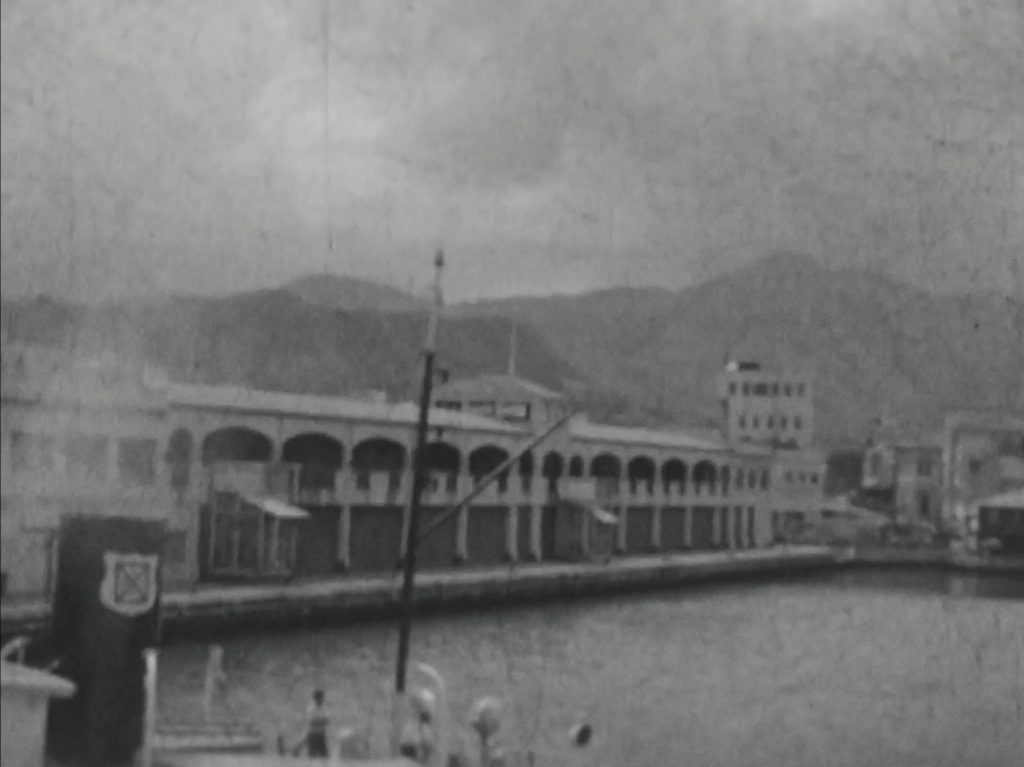
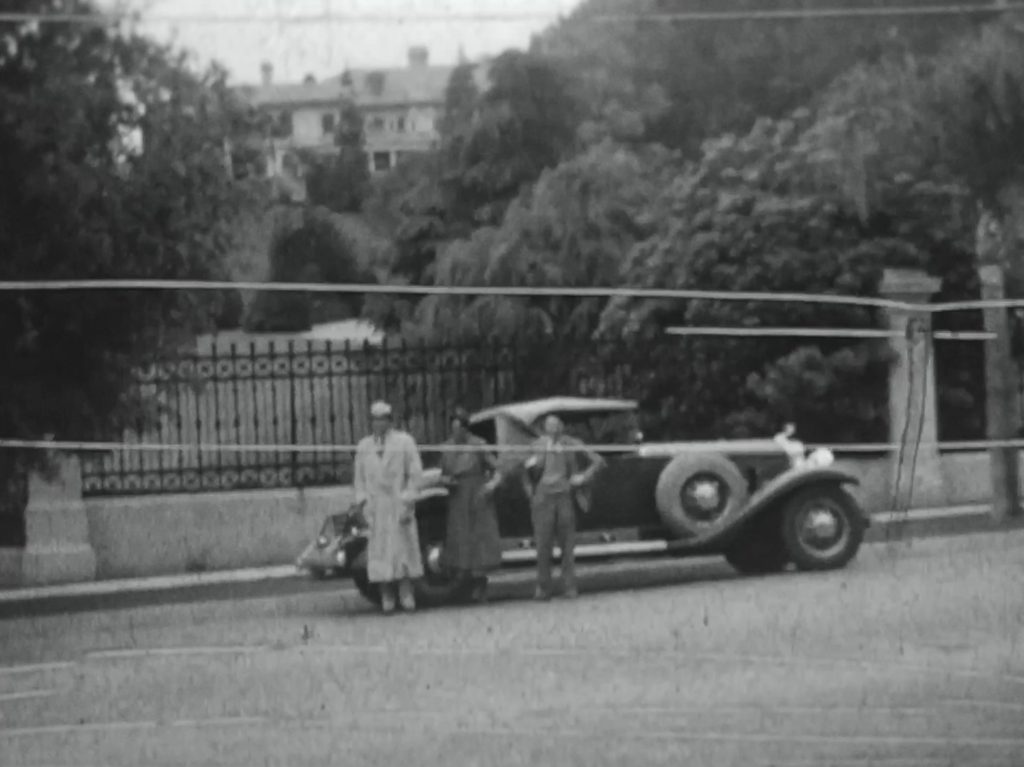
The film opens with archival footage from the 1930s, presenting snapshots of everyday life from a bygone era. These images are accompanied by a commanding narration from Colin Cassidy, whose rich voice guides the audience through the film’s central concept. As the question is posed, Stone begins transporting us from that simpler period into the modern age, creating a fascinating contrast between then and now.
What follows is a whirlwind journey through nearly a century of human progress. Self-driving cars, drones, artificial intelligence, and digital technology dominate many of the film’s contemporary images. It is difficult not to imagine how bewildering these advancements would appear to someone transported directly from the early twentieth century. Entire technological revolutions have occurred in the span between those archival images and the present day. Television, space exploration, personal computers, mobile phones, the internet, and now artificial intelligence have fundamentally reshaped how we live, work, and communicate.
Yet Concerto for Humanity is not interested in celebrating technological achievement alone.
Stone and Mellen carefully balance humanity’s accomplishments with reminders of its failures. Alongside images of innovation come scenes of devastation and suffering. Natural disasters, including wildfires and hurricanes, are juxtaposed with footage of protests, social unrest, homelessness, and violence. The contrast is deliberate and effective. While humanity has demonstrated an extraordinary ability to innovate, the film questions whether similar progress has been made in addressing inequality, conflict, and human suffering.
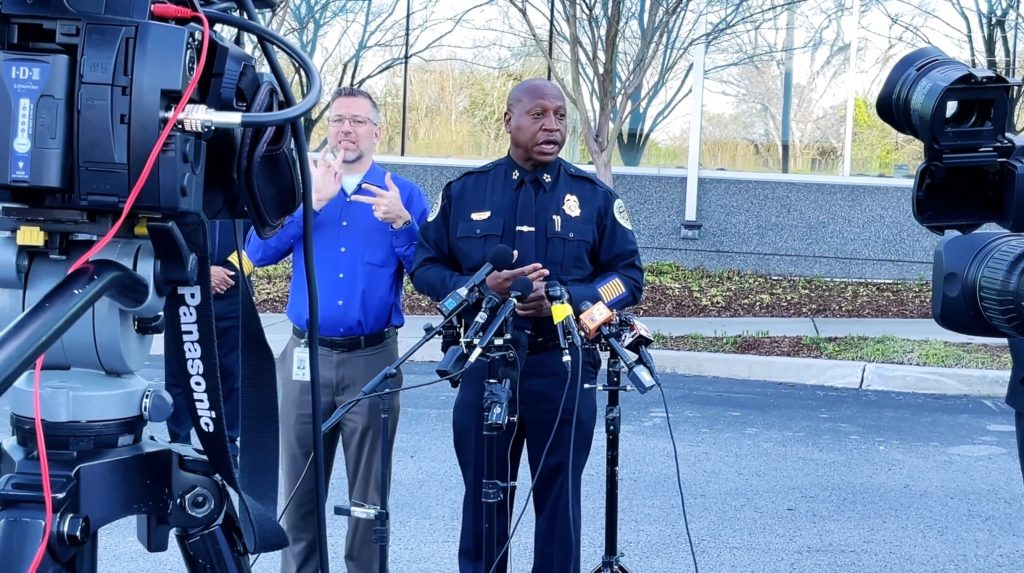
Some of the film’s most powerful moments come not from grand historical events but from smaller, more personal images. One particularly poignant sequence shows a homeless individual searching through discarded rubbish for something to eat. In just a few seconds, the film captures a reality that exists alongside all of our technological advancement. It serves as a sobering reminder that progress is rarely experienced equally.
The documentary also touches upon violence and war, using contemporary footage of missile strikes and destruction to reinforce its argument that humanity remains trapped in cycles of power, conflict, and division. The film never becomes preachy, however. Rather than offering definitive answers, it presents images and ideas that encourage audiences to reach their own conclusions.
Visually, Concerto for Humanity is assembled with considerable skill. Stacey Stone’s editing is one of the production’s strongest assets. The film moves seamlessly between archival footage, modern imagery, and more abstract visual sequences without ever feeling disjointed. At just twelve minutes long, it maintains a steady rhythm throughout and never overstays its welcome.
The title itself is particularly fitting because music plays such an important role in the overall experience. Larry Tuttle’s original score is excellent, functioning as far more than simple accompaniment. The music provides much of the film’s emotional weight, helping to shape the mood and connect the various images into a cohesive whole. There are moments where the score and visuals combine to create something that feels less like a conventional documentary and more like a cinematic symphony.
What makes Concerto for Humanity particularly effective is its accessibility. The themes it explores are universal. Regardless of age, background, or political viewpoint, viewers can engage with the questions the film raises. Have we truly progressed as a species? Are we learning from history, or are we simply repeating the same mistakes with more advanced tools at our disposal?
Those questions linger long after the film concludes.
At a time when documentaries often rely on talking heads and statistics, Concerto for Humanity takes a more artistic approach. Through imagery, music, and carefully selected archival footage, Stone and Mellen create a reflective piece that encourages contemplation rather than confrontation.
Once again, the filmmaking duo demonstrate a remarkable ability to tackle complex subjects in a concise and engaging manner. Concerto for Humanity may be short in duration, but its themes are expansive, and its message resonates well beyond its final frame.
| Acting | |
| Direction | |
| Cinematography | |
| Writing | |
| Sound | |
| Screen Critix Rating |