
Independent cinema often thrives on taking familiar ideas and presenting them through a more personal lens. David St. Clair’s The Lonely Crowd combines romance, crime, thriller and dark comedy elements into an engaging independent feature that manages to rise above many of its limitations.
The film opens with immediate tension as a man escapes from prison before being picked up by an accomplice waiting in a black car. Armed with fresh clothes and a gun, the opening sequence creates an atmosphere of danger and mystery that continues throughout much of the movie. However, rather than becoming a straight crime thriller, The Lonely Crowd quickly reveals itself to be something far more character focused.
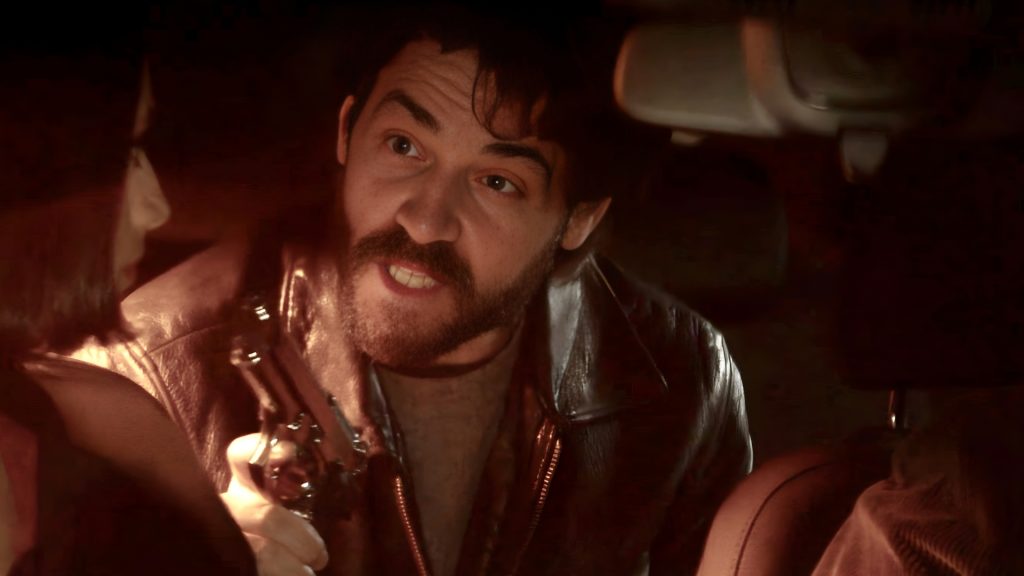
At the centre of the story is Peter, played by Adam Wesley, a former baseball player whose injury has left him cynical about both life and relationships. After reluctantly being pushed back into the dating scene by friends, he agrees to meet Ashley, portrayed by Taylor Anne Danehower, for what should have been a simple first date.
Naturally, things spiral out of control almost immediately.
The chemistry between Wesley and Danehower is one of the film’s strongest qualities. Their awkward and argumentative first interaction actually works in the film’s favour, making the characters feel believable rather than overly polished. Ashley arrives late, comes across as confrontational, and Peter visibly struggles to deal with her personality. Yet underneath the tension, the film slowly begins building an engaging connection between them.
Once Ashley is confronted by dangerous men connected to her past, Peter finds himself dragged into a criminal situation involving missing money, corrupt figures, kidnappings and violent criminals. From there, The Lonely Crowd shifts into a blend of romance, thriller and road movie as the pair attempt to survive increasingly dangerous circumstances together.
What makes the film work is how much attention is given to the relationship between the two leads. David St. Clair clearly has more interest in exploring trust, loneliness and emotional baggage than simply delivering endless action scenes. The thriller aspects provide momentum, but the real focus remains on Peter and Ashley learning about one another whilst trapped in chaos.
Taylor Anne Danehower delivers a strong performance as Ashley. The character could easily have become frustrating or one-dimensional, but Danehower brings enough charm and vulnerability to keep viewers invested. Adam Wesley is also highly watchable as Peter, portraying an ordinary man completely out of his depth yet gradually discovering confidence as events escalate around him.
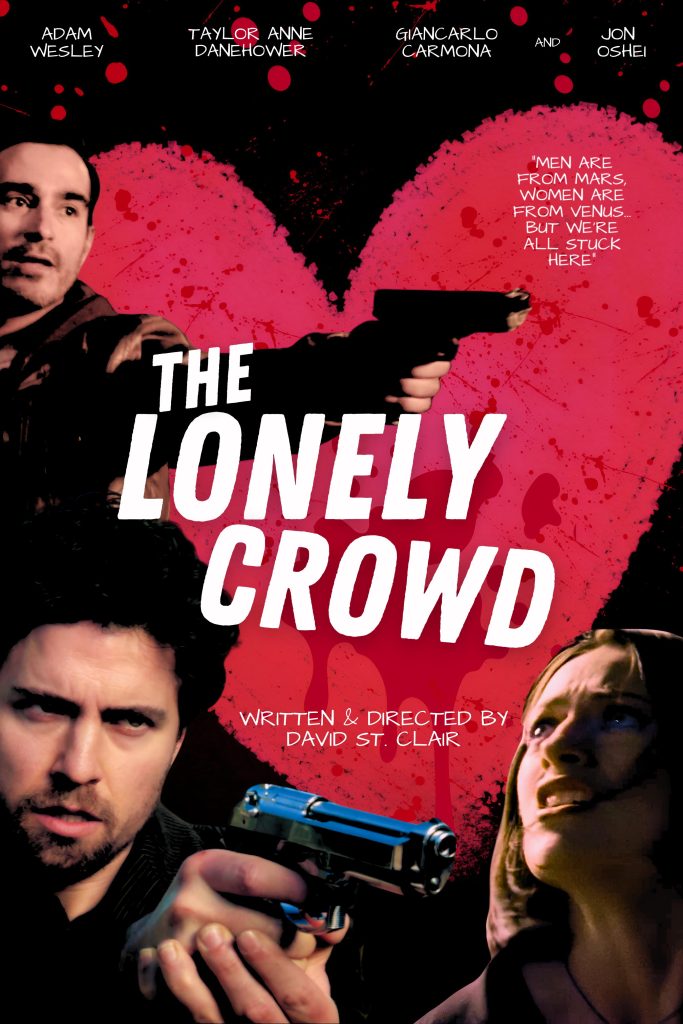
Giancarlo Carmona adds genuine menace as Jake, Ashley’s dangerous ex, while Andrew Mena provides some lighter comedic moments as a motel manager later in the film. The supporting cast generally does a solid job throughout, helping flesh out the world surrounding the two leads.
One of the more interesting aspects of The Lonely Crowd is its discussion of modern relationships and dating culture. Peter and Ashley constantly clash over honesty, trust and emotional damage, with some of the film’s best scenes simply involving conversation rather than violence. As the film progresses, the romance element gradually becomes more dominant than the thriller side, though the transition feels natural rather than forced.
Technically, the film is somewhat uneven, though still ambitious for an independent production. Visually, The Lonely Crowd carries the texture and atmosphere of an early 1990s thriller, which actually works in its favour and gives the movie a larger feel than its budget likely allowed. Garrett Stotko’s cinematography makes effective use of multiple locations and the score by Kevin Morrison adds mood throughout.
However, there are moments where the filmmaking fundamentals become distracting. In particular, several conversations appear to ignore the 180-degree rule, most noticeably during a kitchen scene at a house party involving three characters, where shifting screen direction can momentarily confuse the viewer. The pacing also drags in places, especially during some dialogue-heavy stretches that could have benefitted from tighter editing.
Still, despite these rough edges, the film’s ambition and commitment remain admirable throughout.
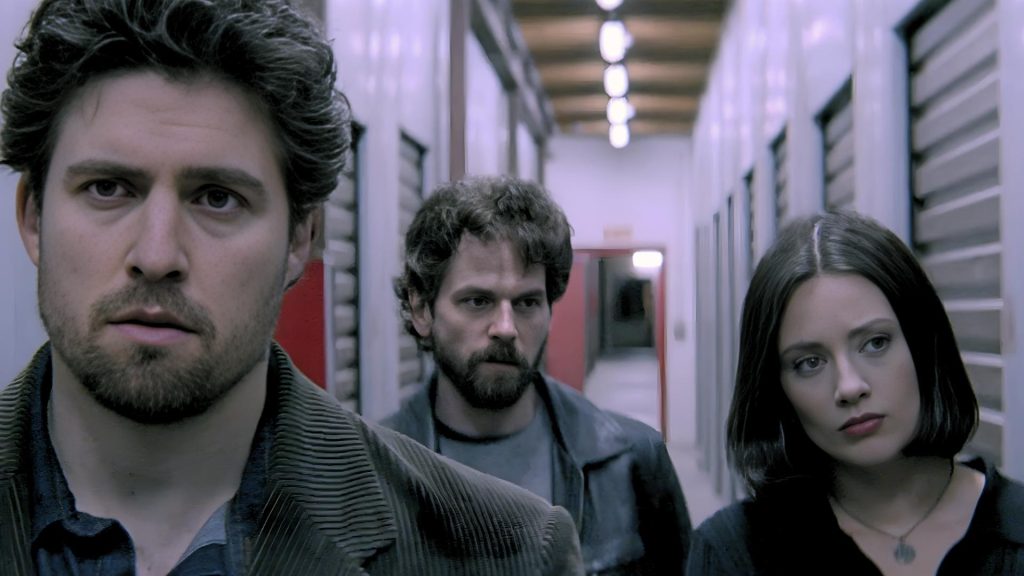
There is genuine effort here to create something larger than the budget would suggest, and that effort is often visible onscreen. St. Clair clearly has affection for these characters and for this style of storytelling. Even when the film stumbles technically, it remains engaging because the filmmakers care about the material and the emotional core of the story.
The film also deserves credit for balancing multiple tones without completely falling apart. Mixing romance, crime, thriller and comedy is not an easy task, yet The Lonely Crowd generally manages to keep those elements working together.
It may not reinvent the genre, but it remains consistently watchable, occasionally tense, and surprisingly heartfelt by the time it reaches its conclusion.
Independent filmmaking often succeeds through passion rather than perfection, and that certainly applies here. The Lonely Crowd has rough edges, but it also has charm, strong lead performances and enough emotional weight to make it worthwhile viewing for fans of character-driven thrillers.
| Acting | |
| Direction | |
| Cinematography | |
| Writing | |
| Sound | |
| Screen Critix Rating |