
Mental health is a subject that independent cinema often tackles, but doing so convincingly is not always easy. It requires honest writing, believable performances and characters that feel like real people rather than vehicles for a message. In Local Area Network, writer and director Glenn Garrabrant approaches the topic with sincerity, crafting a heartfelt drama about friendship, recovery and the importance of human connection during life’s darkest moments.
At its core, Local Area Network tells the story of Paul (Michael Farca), a man struggling to rebuild his life after the collapse of his marriage. Following two suicide attempts and treatment for severe depression, Paul spends his weekends under the watchful eye of his best friend Sam (Jeff A. Smith), who is determined to help him find reasons to keep moving forward.
The film opens with Sam and Paul spending a day together, revisiting old comforts and familiar places. They stop for pancakes at a diner, spend time in a retro arcade playing classic games, and eventually visit a comic book shop owned by an old college friend named Therese (Katherine Bellantone). What initially feels like a casual day out gradually reveals itself to be something much deeper, as Sam quietly works to keep Paul engaged with the world around him.
Paul’s pain is immediately evident. One of the film’s strongest decisions is its refusal to oversimplify depression. Even surrounded by supportive friends, Paul remains haunted by the end of his relationship with Erica (Molly Hodge). In one particularly telling moment, despite intentionally leaving his phone behind, he cannot resist borrowing Therese’s phone to check his ex-wife’s social media profile. Seeing photographs of her new life with a boyfriend in California sends him spiralling once again.
The screenplay understands that recovery is rarely a straight line. There are moments of hope, moments of laughter and moments where Paul seems to be moving forward, only for old wounds to reopen unexpectedly. It feels authentic because it recognises that healing is messy.
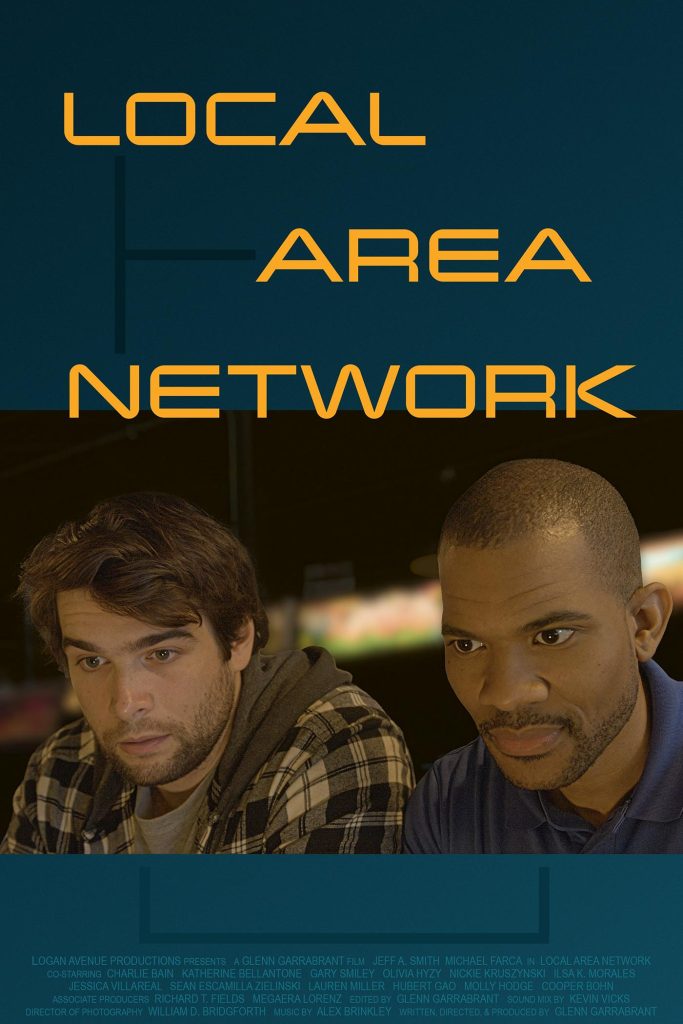
Michael Farca delivers an impressive central performance. The role demands emotional vulnerability and Farca never shies away from it. Paul is not portrayed as a tragic stereotype, nor as a broken man waiting for a miracle. Instead, he feels like a real person struggling through circumstances he cannot easily overcome. His depression manifests itself in different ways throughout the film, from quiet withdrawal to emotional breakdowns, and Farca handles these shifts with conviction.
Jeff A. Smith is equally strong as Sam. While Paul is the emotional centre of the story, Sam is arguably its heart. The character spends much of the film trying to support his friend without smothering him, a difficult balancing act that many viewers will recognise. Sam is also preparing for a major life change himself, as he and his wife await the arrival of their baby daughter. Smith plays him with warmth and genuine affection, making it easy to understand why he refuses to give up on Paul.
Katherine Bellantone also leaves a strong impression as Therese. An old college friend who once shared mutual feelings with Paul, she re-enters his life at a crucial moment. What works particularly well is that Therese is not presented as some magical solution to Paul’s problems. Instead, she offers understanding, compassion and patience. Their conversations feel natural and unforced, helping some of the film’s strongest scenes land effectively.
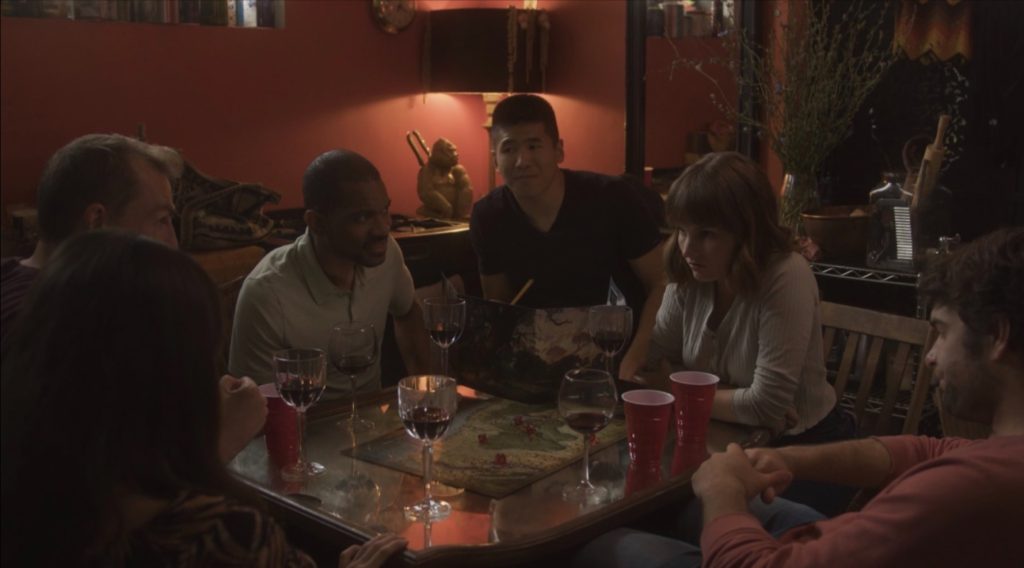
The title itself refers to one of the film’s most enjoyable elements. Sam and their mutual friend George (Charlie Bain) organise a classic LAN gaming session in a basement, linking computers together the old-fashioned way. For anyone who remembers gaming before constant updates, online toxicity and endless notifications, these scenes carry a powerful sense of nostalgia. The concept of disconnecting from the internet and reconnecting with people becomes one of the film’s central ideas.
The gaming scenes also provide welcome moments of levity. Local Area Network spends much of its runtime exploring heavy emotional territory, but Garrabrant wisely allows the characters space to have fun. Conversations about Street Fighter II, comic books, Dungeons & Dragons and classic gaming culture help flesh out the characters and make them feel like genuine lifelong friends.
One of the film’s greatest strengths is its dialogue. Much of Local Area Network consists of people simply talking to one another, yet those conversations rarely feel forced. Discussions about relationships, medication, family, loss and mental health unfold naturally. These are people sharing experiences rather than delivering speeches.
Technically, the film adopts a fairly understated approach. The cinematography by William D. Bridgforth, with additional work from Edward Dignan, favours warm and inviting visuals. Most of the story takes place in homes, comic shops, diners and basements, creating a comfortable and intimate atmosphere. While the film lacks flashy camera work or elaborate visual flourishes, it suits the grounded nature of the story.
The score by Alex Brinkley is similarly restrained. Rather than dominating scenes, the music quietly supports the emotional beats and helps maintain the film’s reflective tone.
At times, the pacing can feel a little leisurely. The film prioritises character interactions over dramatic plot developments, which may not appeal to viewers looking for high stakes or major twists. However, the slower pace allows the audience to spend time with the characters and invest in their relationships.
What ultimately makes Local Area Network successful is its honesty. Glenn Garrabrant is clearly interested in portraying mental health struggles with compassion and realism. The film understands that friendship alone cannot magically solve depression, but it can provide support, hope and reasons to keep fighting.
The comparisons to films such as Sideways or Silver Linings Playbook are understandable. Like those films, Local Area Network explores damaged people trying to navigate difficult periods in their lives while finding comfort in unexpected places. It may not have the budgets or star power of those productions, but it shares a similar emotional sincerity.
By the time the credits roll, Local Area Network has delivered a thoughtful and affecting story about friendship, second chances and the importance of staying connected to those who care about us. It is a film filled with empathy, humour and heart, anchored by strong performances and a message that feels increasingly relevant in a world where genuine human connection can often feel harder to find.
| Acting | |
| Direction | |
| Cinematography | |
| Writing | |
| Sound | |
| Screen Critix Rating |