
Faith-based films often come with certain expectations. Many audiences immediately assume they are about to sit through a sermon disguised as a movie, complete with simplistic characters, obvious messages and little room for differing viewpoints. Thankfully, Holy Irresistible takes a far more balanced and entertaining approach. While faith is undoubtedly at the centre of the story, director Pamela Corkey and writers Andrew Shearer and Nicholas Sherman have crafted something that works just as well as a romantic comedy as it does a film about belief.
The story follows Ivy, played by Ian Gregg, a young man whose relationship with religion is complicated to say the least. As a child, he loses his parents in a tragic accident caused by a distracted driver who is far more focused on singing along to Christian music than paying attention to the road. The incident leaves a lasting impression on him. Rather than turning him into a non-believer, Ivy grows up convinced that God exists. The problem is that he also thinks God has spent much of his life making things unnecessarily difficult.

Unfortunately for Ivy, life doesn’t become any easier after that. He moves in with Aunt Rad and Uncle Bill, only for more misfortune to follow. Bill is killed by a lightning strike, Aunt Rad develops cancer, and Ivy eventually finds himself attending community college while working as a waiter in a local diner. With each new setback, his resentment towards the Almighty grows stronger.
The film could easily have turned Ivy into a bitter or cynical protagonist, but Ian Gregg gives the character enough warmth and charm to keep audiences firmly on his side. Ivy may complain about God at every opportunity, but he remains a genuinely likeable lead. Gregg handles both the comedy and the more emotional moments with confidence, creating a character viewers can invest in from beginning to end.
Things begin to change when Ivy meets Sadie, played by Leah Merritt. Working at the local diner, Ivy is instantly smitten when she walks through the door. A later encounter at the library only strengthens his feelings, and before long he is determined to get closer to her. Unfortunately for Ivy, there is one rather significant obstacle standing in his way. Sadie is deeply involved in the local church, and her father happens to be the town’s pastor.
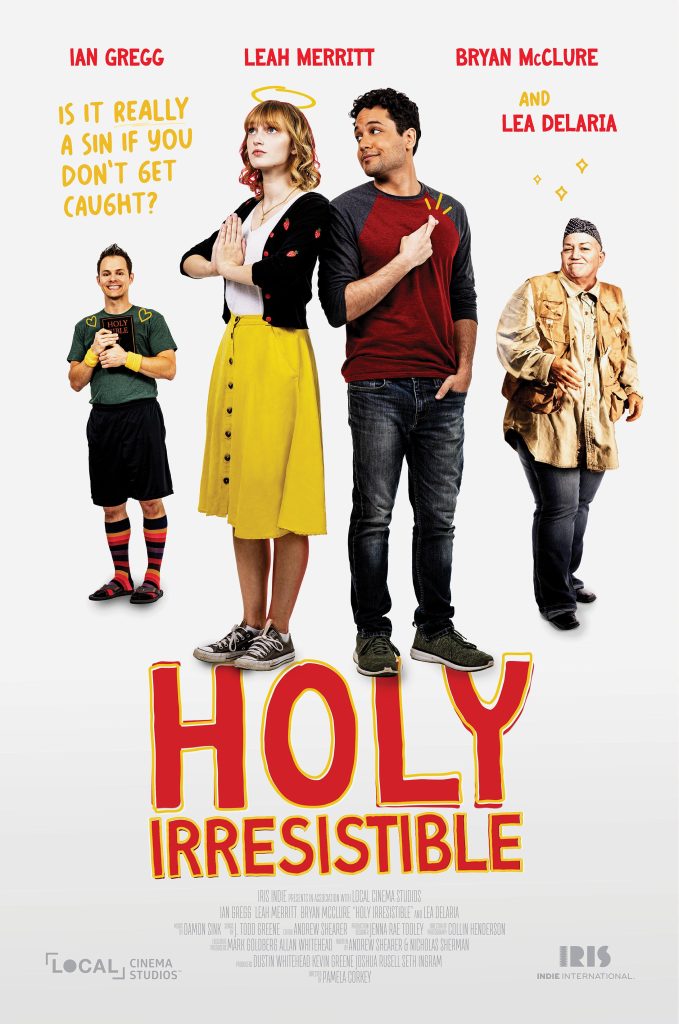
Rather than accepting defeat, Ivy decides to do what many romantic comedy protagonists have done before him and tells a little lie. In order to spend more time with Sadie, he begins pretending to be a committed Christian. What starts as a harmless deception quickly snowballs as Ivy finds himself attending church services, learning the customs of a community he has spent years avoiding, and trying desperately to keep up appearances.
The premise is familiar, but the screenplay handles it surprisingly well. One of the film’s biggest strengths is that it never becomes preachy. Instead of portraying believers as universally good and non-believers as misguided, Holy Irresistible allows different viewpoints to exist side by side. Some church members come across as judgemental and exclusionary, while others embody kindness, compassion and understanding. Likewise, Ivy’s scepticism is understandable given his life experiences, but the film never suggests he has all the answers either.
This balanced approach allows the story to explore themes of faith, forgiveness and personal growth without alienating viewers who may not share the same beliefs as its characters. Whether you’re religious, atheist or somewhere in between, there is enough honesty in the writing to find something relatable.
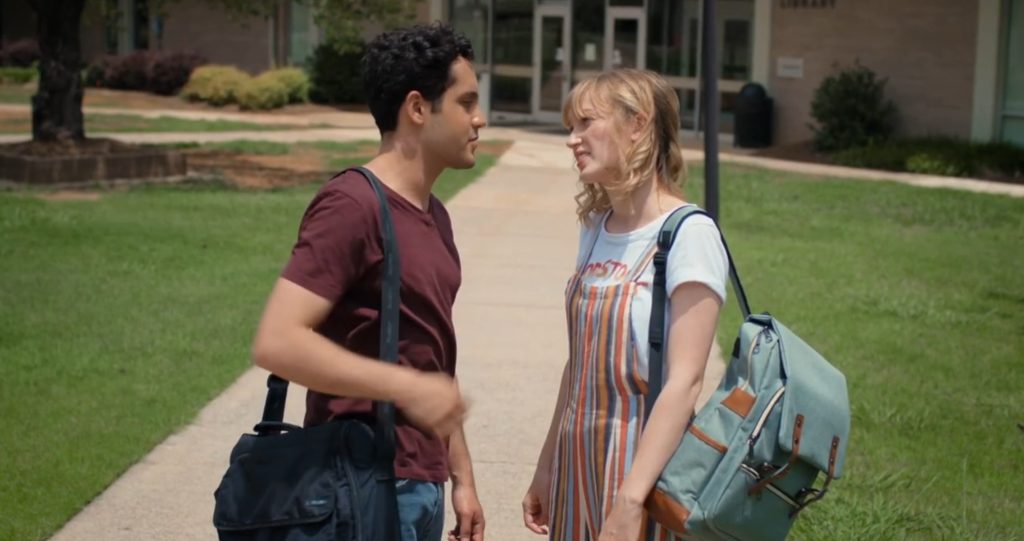
Leah Merritt is excellent as Sadie. It would have been easy for the character to become little more than the stereotypical preacher’s daughter, but Merritt gives her genuine personality and intelligence. She is warm without being naïve and strong without feeling forced. Her chemistry with Gregg develops naturally throughout the film and helps sell the central romance.
The supporting cast contributes greatly to the film’s success as well. Tyler Graham provides much of the comic relief as Surge, Ivy’s anarchist best friend. Surge has little time for organised religion and spends much of the film offering advice that may not always be particularly helpful. The character could easily have become a caricature, but Graham brings enough sincerity to make him feel like a real person rather than simply a walking punchline.
Perhaps the standout performance comes from Lea DeLaria as Aunt Rad. She is funny, blunt, sarcastic and endlessly entertaining whenever she appears on screen. Whether she is offering Ivy life advice, mocking the local community or dealing with her own health struggles, DeLaria consistently steals scenes. Her performance provides many of the film’s funniest moments while also giving the story some emotional weight.
George Deavours also makes an impression as Pastor Haggass, while the various members of the church community help flesh out the small-town setting. One of the film’s strengths is that even minor characters are given enough personality to feel memorable.
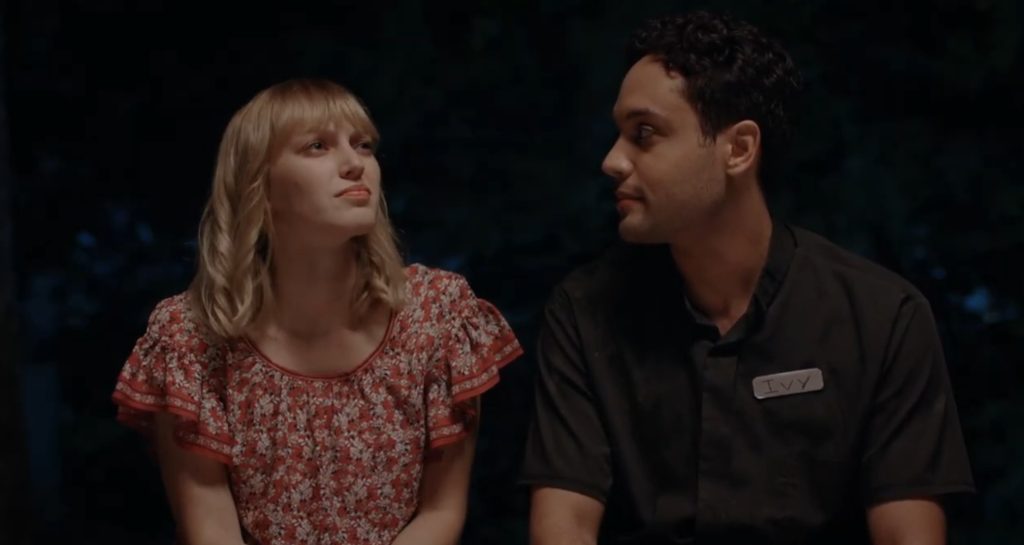
From a technical standpoint, Holy Irresistible is a very polished independent production. Collin Henderson’s cinematography gives the film a bright, colourful look that suits its optimistic tone. The small-town locations are captured beautifully, helping create a warm and inviting atmosphere. The visual presentation feels far more professional than many independent romantic comedies operating within a similar budget range.
The sound design is equally strong. Dialogue remains crisp throughout, while Damon Sink’s score complements both the dramatic and comedic moments without overwhelming them. Everything feels carefully assembled, helping the film maintain a professional standard from start to finish.
What ultimately makes Holy Irresistible stand out is its willingness to explore complicated ideas through a light-hearted lens. Beneath the romantic comedy framework lies a story about grief, resentment, forgiveness and self-discovery. Ivy’s journey is not simply about winning over Sadie. It is about confronting years of anger and deciding whether he can move forward rather than allowing past tragedies to define him.
The film isn’t perfect. Certain plot developments follow familiar romantic comedy conventions, and some viewers may find parts of the story predictable. A few supporting characters could have benefited from additional development, and there are moments where the film relies on genre tropes. However, these issues are relatively minor when compared to everything the film gets right.
Holy Irresistible succeeds because it approaches its subject matter with sincerity and warmth. It is funny without being mean-spirited, thoughtful without becoming heavy-handed, and romantic without feeling overly sentimental. Most importantly, it respects audiences enough to let them make up their own minds about the themes it presents.
Pamela Corkey has delivered an engaging romantic comedy that manages to appeal beyond its faith-based roots. Strong performances, a well-balanced script and a genuinely likeable central story make Holy Irresistible an easy film to recommend. Whether you come for the romance, the comedy or the exploration of faith, there is plenty here to enjoy.
| Acting | |
| Direction | |
| Cinematography | |
| Writing | |
| Sound | |
| Screen Critix Rating |