
Dark comedies often take everyday frustrations and push them to absurd extremes, finding humour in situations that would be unbearable in real life. Till Death, written and directed by Yana Billé-Chung, does exactly that, turning the dream of home ownership into a bizarre and increasingly frustrating nightmare.
The twenty-minute short introduces us to Alex and River Daniels, a young couple expecting their first child and desperately searching for a home they can afford. After numerous disappointing viewings, they are shown a beautiful property that appears to be far beyond their financial reach. The house is spacious, attractive, and filled with photographs and mementoes belonging to its owner, Mrs. Campbell, an ageing actress who still resides there.
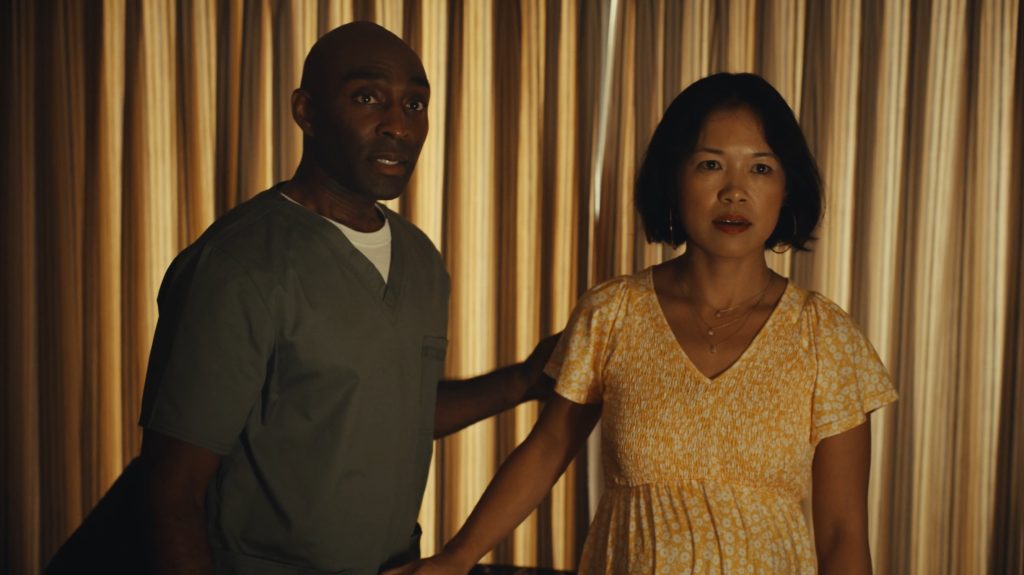
The reason the property is within reach soon becomes apparent.
Mrs. Campbell, who appears frail and dependent on oxygen, offers the couple an incredible deal. She is willing to sell them the house for significantly below its market value on one condition: she remains living there until she dies. Until that day arrives, Alex and River must stay in the property’s detached studio.
While Alex is understandably cautious about such an unusual arrangement, River sees it as a once-in-a-lifetime opportunity. With a baby on the way and the chance to secure a dream home, she convinces him to go ahead with the purchase.
At first, the arrangement seems manageable. Alex is even reassured when their estate agent mentions that doctors believe Mrs. Campbell may not have long left to live.
Unfortunately for the young couple, things do not quite work out that way.
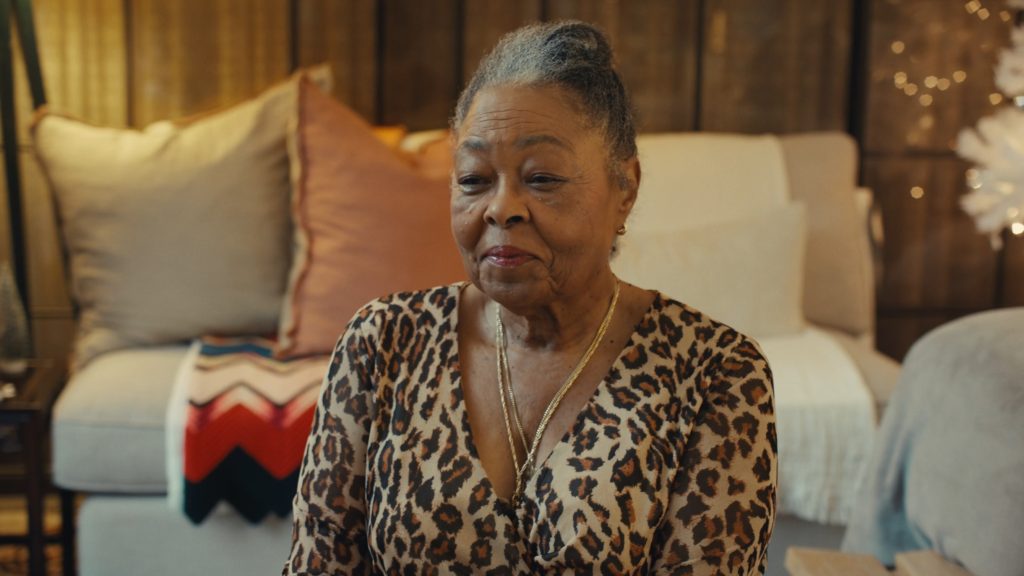
When Christmas arrives, Mrs. Campbell is still very much alive. In fact, she appears to be doing remarkably well. As the months pass, she becomes increasingly involved in Alex and River’s lives, blurring the boundaries between seller and buyer and making herself a permanent fixture in their daily routine.
The film then jumps forward three years, and this is where Till Death really begins to shine.
Alex and River are still living in the cramped studio. They now have a young daughter, another child on the way, and Mrs. Campbell remains alive, active and showing no obvious signs of slowing down. The frustration that has been simmering beneath the surface begins to boil over, particularly for River, who starts to question everything she has been told.
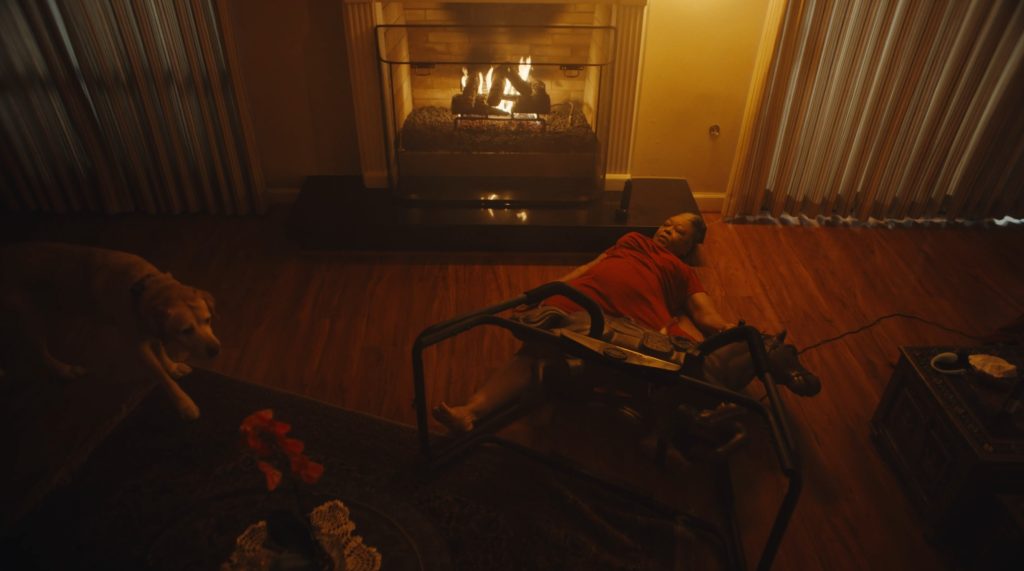
The screenplay cleverly builds on this premise, escalating the absurdity with a series of increasingly uncomfortable and hilarious situations. A Christmas dinner becomes memorable for all the wrong reasons when Mr. Campbell unexpectedly appears and casually tells the couple’s young daughter that Santa Claus is not real. Elsewhere, Mrs. Campbell’s eccentric behaviour creates several of the film’s biggest laughs, particularly when a very unusual purchase leads to one of the short’s most outrageous sequences.
Without spoiling the details, an accident eventually forces River into a moral dilemma that drives the final act and pushes her patience to its absolute limit.
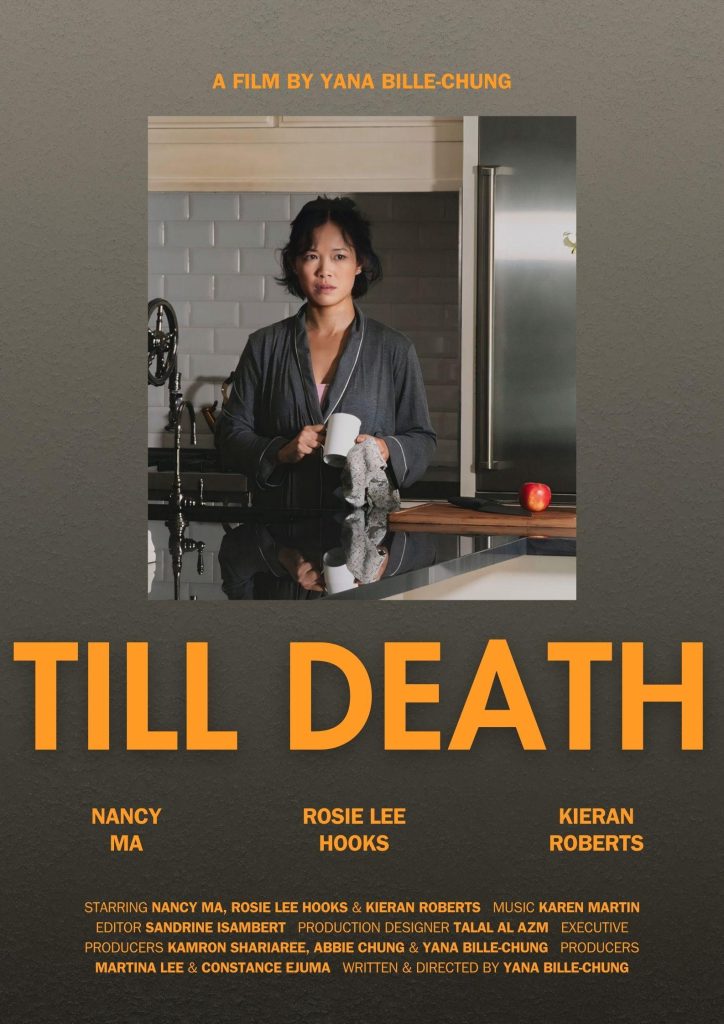
What makes Till Death work is how relatable its central frustration feels. Beneath all of the dark humour and exaggerated situations is a simple question: how long can kindness, patience and understanding survive when someone continues testing them year after year? The film takes that concept and pushes it as far as possible for comedic effect.
Visually, the production is impressive throughout. Director of Photography Jacki Moonves gives the film a polished and professional appearance that often exceeds expectations for a short comedy. Wide-angle lenses are used extensively, helping to create a slightly heightened atmosphere that suits the film’s quirky tone. Many of the interior scenes feature haze and carefully crafted lighting that give the house a warm, cinematic feel.
The lighting itself deserves special mention. Every room feels thoughtfully designed and illuminated, creating a visual consistency that strengthens the film’s overall presentation. The contrast between the comfortable main house and the less glamorous studio space occupied by Alex and River also helps reinforce the growing divide between the characters.
Editor Sandrine Isambert keeps the story moving at an excellent pace. Despite covering several years of the characters’ lives, the film never feels rushed or disjointed. The transitions between scenes are smooth and occasionally inventive, helping maintain momentum throughout the runtime.
Performance-wise, the cast acquits themselves very well.
Kieran Roberts is immediately likeable as Alex. His calm and reasonable nature provides an effective counterbalance to the increasingly bizarre events unfolding around him. Even when his character grows frustrated, Roberts maintains a charm that keeps the audience invested.
Nancy Ma delivers a strong performance as River, charting her character’s gradual descent from optimism to exasperation. River begins the story believing she has secured the opportunity of a lifetime, only to find herself trapped in an arrangement that never seems to end. Ma handles that progression convincingly, allowing the frustration to build naturally rather than forcing it.
The standout performance, however, comes from Rosie Lee Hooks as Mrs. Campbell.
Hooks fully embraces the eccentricity of the character and clearly understands the film’s comedic tone. Mrs. Campbell is selfish, lonely, manipulative, funny and occasionally sympathetic all at once. Whether she is intruding on the couple’s lives, making unreasonable demands or creating chaos within the household, Hooks consistently steals scenes and generates many of the film’s biggest laughs. It is easy to see why her performance has received festival recognition.
At its heart, Till Death is a dark comedy about dreams, desperation and the unintended consequences of making a deal that seems too good to be true. Yana Billé-Chung takes a simple premise and cleverly stretches it into an entertaining exploration of patience pushed beyond breaking point.
Supported by strong performances, excellent cinematography, polished editing and a premise that continually finds new ways to generate laughs, Till Death proves itself to be an enjoyable and well-crafted short film. It is funny, awkward, occasionally outrageous, and manages to squeeze a surprising amount of story and character into just twenty minutes.
| Acting | |
| Direction | |
| Cinematography | |
| Writing | |
| Sound | |
| Screen Critix Rating |