
There are subjects that do not require a feature-length running time to leave an impression. Kelly Lynn Warren’s Shame lasts only five minutes, yet uses that brief window to address rape, trauma, communication and the devastating consequences that can follow sexual violence. It is a simple production in terms of its filmmaking, but simplicity does not prevent it from tackling something extremely serious.
The film begins with deliberate normality. Wanda (Sophia Cofino) is happily singing while making breakfast when her flatmate Sophie (Ashna Sharan) returns home looking noticeably dishevelled. Wanda jokingly assumes Sophie has completed the familiar “walk of shame”, believing her friend has simply spent the night with somebody and is returning after an encounter she might now regret.
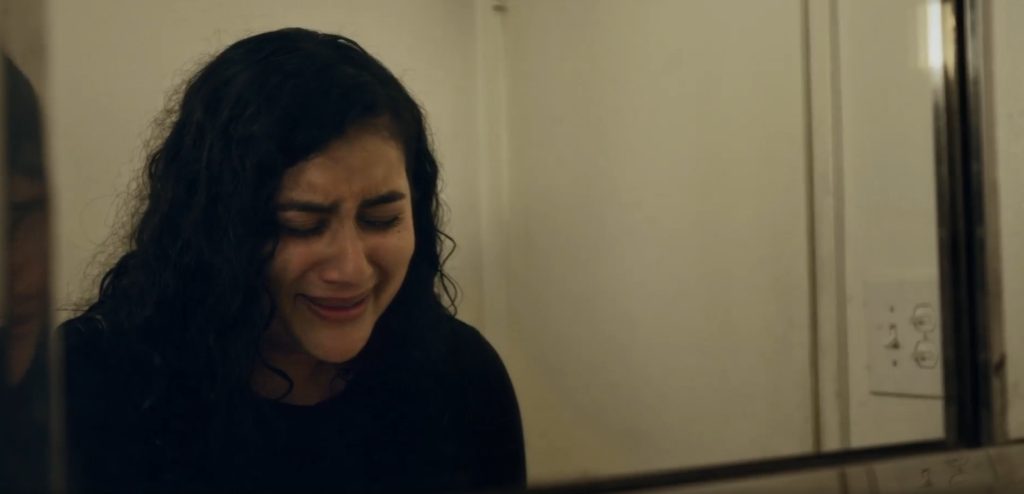
Sophie initially does little to challenge that assumption. She nods, retreats to her bedroom and closes the door, but the moment she is alone makes clear that something considerably more serious has happened. Sophie begins crying before gathering some clothes and heading into the bathroom, where she turns on the shower while still visibly distressed.
It is an effective opening precisely because Wanda and Sophie are experiencing the same situation from completely different perspectives. Wanda sees the aftermath of a night out and interprets what she sees according to an everyday social convention. Sophie is carrying the immediate psychological consequences of being raped. Writer and lead actor Ashna Sharan does not need lengthy exposition to establish the difference between those realities.
After Sophie showers, she discovers Wanda waiting for her and enthusiastically discussing their plans to attend a Renaissance Faire. Wanda gradually realises her friend is behaving unusually, although she initially interprets Sophie’s admission that the previous night got out of hand as the beginning of some dramatic gossip. Sophie cannot bring herself to explain what happened and instead says she does not want to go out.
The film’s most important moment comes when Sophie appears ready to finally speak. Before she can do so, Wanda’s telephone rings. The caller is Nate, and merely hearing his name immediately changes Sophie’s behaviour. She retreats into the bathroom and begins to panic as fragmented images reveal what happened the previous night.

Warren keeps these recollections brief. Shame does not need an extended or graphic depiction of sexual assault to communicate what Sophie experienced, and the decision to concentrate instead on its aftermath keeps the film focused upon her trauma. On the other side of the bathroom door, Wanda continues talking and laughing on the telephone, unaware of what her friend is experiencing only a few feet away.
Inside the bathroom, Sophie notices razor blades beside the sink. Wanda eventually ends the call before hearing a crash from behind the closed door, bringing the short towards its tragic conclusion.
Ashna Sharan gives the film the performance it needs. There is a vulnerability to Sophie that never feels excessively theatrical, with much of the character’s distress communicated through behaviour rather than dialogue. Sophia Cofino also has a difficult role because Wanda cannot appear deliberately insensitive. She simply does not possess the information that the audience gradually receives, and her enthusiasm consequently becomes increasingly painful to watch.
That distinction is important to the film’s message. Sophie is surrounded by opportunities to speak but cannot find the words, while Wanda repeatedly misreads the signs because she has no reason to imagine what has happened. Shame therefore illustrates how difficult disclosure can be after sexual violence and why friends and family should be attentive when somebody’s behaviour suddenly changes.
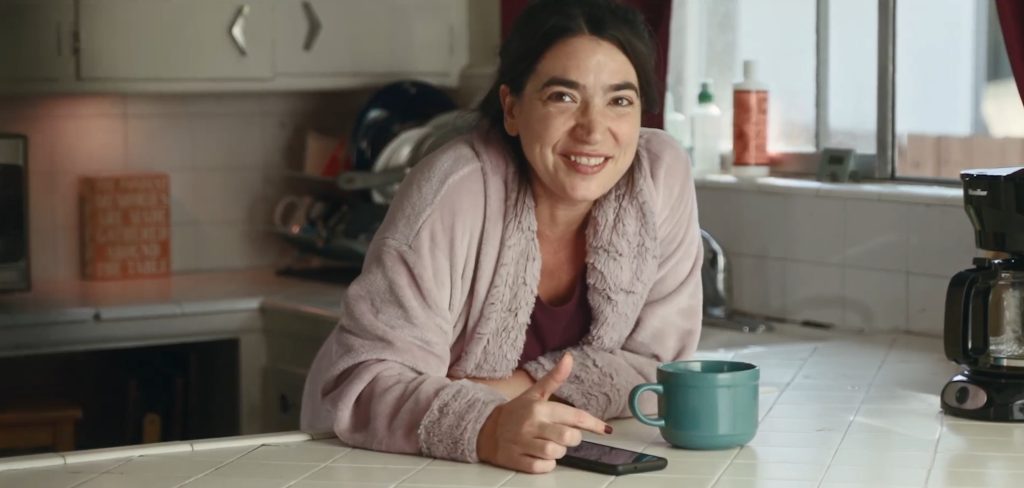
The film also challenges the expression contained within its own title. The casual idea of a “walk of shame” initially places embarrassment upon the woman returning home after a presumed sexual encounter. Once the circumstances become clear, that language takes on a considerably darker significance. Sophie has nothing for which she should feel ashamed. Responsibility for sexual assault belongs with the perpetrator, never with the person who has been assaulted.
That is also where Shame has potential value beyond conventional festival screenings. There is educational value in discussing consent and the consequences of sexual violence with young people, and that education cannot be directed solely towards potential victims. Young men need to be part of those conversations too. Consent must be freely given, and sexual activity without consent is sexual violence. Teaching respect for boundaries, recognising that “no” means no and understanding that consent cannot simply be assumed are essential parts of preventing sexual assault.
From a filmmaking perspective, Shame is deliberately straightforward. Hussain Najam’s cinematography does not attempt to overwhelm the subject with elaborate imagery, while the lighting, blocking and camera placement remain relatively restrained. Alejandro Solis’ editing similarly keeps the story moving efficiently, which is essential when the entire narrative has to be established, developed and concluded within approximately five minutes.
That simplicity occasionally makes the production feel more functional than cinematic. There is little time to explore either character beyond the immediate situation, and the extremely short running time inevitably restricts the depth with which Sophie’s psychological state can be examined. A slightly longer film might have allowed the relationship between Sophie and Wanda to develop further, making the eventual breakdown even more affecting.
Nevertheless, Warren understands that the central purpose of Shame is communication rather than stylistic display. The film wants its audience to recognise what Sophie cannot say aloud and to consider how quickly an apparently ordinary morning can conceal an enormous amount of suffering.
The short has subsequently received recognition at a number of festivals, including awards for Sharan’s performance and Warren’s direction, alongside honours and nominations at festivals across the United States. That response is understandable because Shame takes a difficult subject and communicates its central point with clarity without turning Sophie’s assault into spectacle.

Most importantly, the film reinforces the importance of speaking and listening. Survivors of rape or sexual assault may respond to trauma in many different ways, and there is no single behaviour that proves what somebody has experienced. For friends and relatives, noticing that somebody is struggling, giving them space to speak and listening without judgement can matter enormously.
Shame is not especially elaborate filmmaking, but it does not need to be. Warren and Sharan have created a compact drama that uses an ordinary domestic situation to address something devastating, and its five-minute running time makes the message unusually direct. It is a decent short film carrying a considerably bigger purpose than its scale might initially suggest.
For anyone affected by the issues raised in Shame, confidential specialist support is available. In England and Wales, Rape Crisis operates a free 24/7 Rape & Sexual Abuse Support Line on 0808 500 2222, including an online chat service, and support is available whether the sexual violence happened recently or a long time ago. Sexual Assault Referral Centres can also provide specialist medical, practical and emotional support, and seeking support does not depend upon having already decided to report an assault to the police.
| Acting | |
| Direction | |
| Cinematography | |
| Writing | |
| Sound | |
| Screen Critix Rating |