
Having previously had the pleasure of reviewing Andrew Games’ Dandilicious and, more recently, his short film The Black Rock, we have become increasingly familiar with his work as both an actor and filmmaker. His latest offering, My Final Note, sees him tackle arguably his most emotionally demanding subject yet. A deeply personal drama exploring male mental health, loneliness and the importance of human connection, this 64-minute independent feature is an impressive demonstration of his versatility on both sides of the camera.
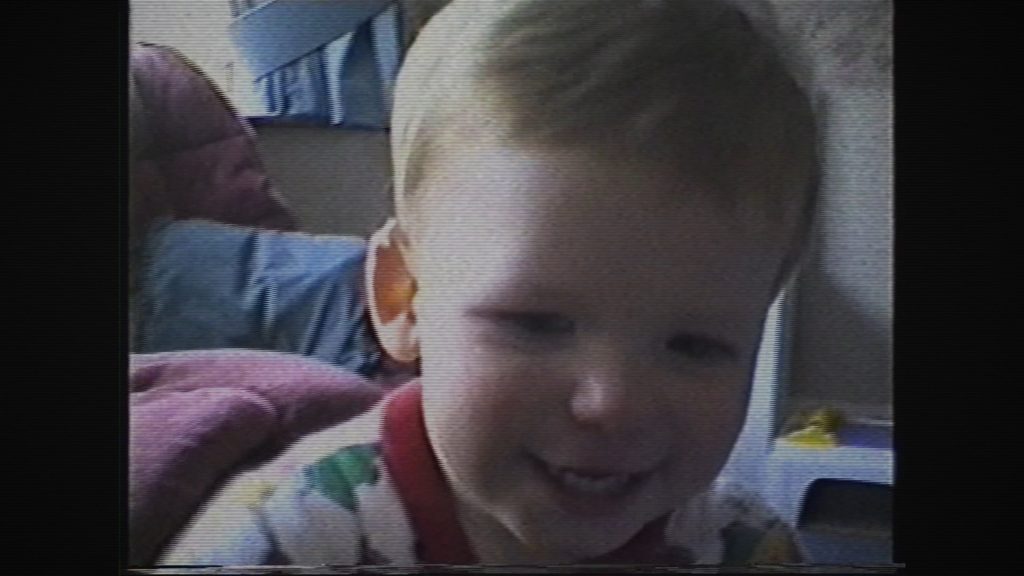
The film opens with grainy home video footage dating back to Christmas 1996 and the early months of 1997. We see a young boy playing, sleeping and enjoying the carefree existence that childhood can afford. There is something wonderfully nostalgic about these images, from the unmistakable aesthetic of VHS recordings to the familiar date and time displayed in the corner of the screen. However, their significance becomes considerably more poignant when Games transports us to the present day.
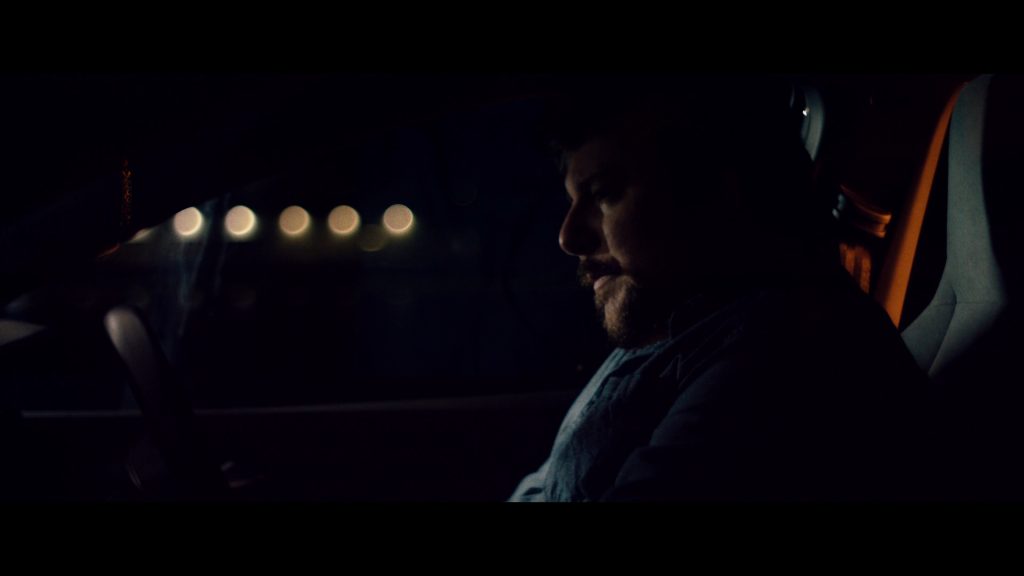
Sitting alone in his car in the middle of the night, Paul (Games) is recording a lengthy voice message for his parents. Emotionally exhausted and struggling with an overwhelming sense of isolation, he attempts to articulate feelings that he has seemingly been unable to share with those closest to him. He speaks lovingly of his mother and father, recalling a childhood in which happiness came far more naturally, yet has convinced himself that their lives might be better without him. It is a difficult opening, made all the more affecting by the contrast between the carefree child we have just witnessed and the deeply troubled man he has become.
Games makes some particularly effective creative decisions during these early sequences. As Paul recalls a childhood memory of visiting the seaside, we are transported back to the nostalgic home video footage before seeing him standing on the beach as an adult. The image initially retains the distorted, grainy characteristics of an ageing VHS recording before transitioning into crisp, contemporary cinematography. It is an imaginative visual representation of the relationship between memory and the present, conveying something about Paul’s longing for the past that dialogue alone could not achieve.
It is here that Paul encounters Marcus (Charles Riley), a stranger whose seemingly innocuous enquiry about his wellbeing carries greater significance than Paul initially appreciates. When Marcus subsequently intervenes during Paul’s suicide attempt, the film develops into an intimate two-hander, with much of its remaining running time devoted to a conversation between two men whose lives have been affected by suffering in very different ways.
My Final Note: The Importance of Being Heard
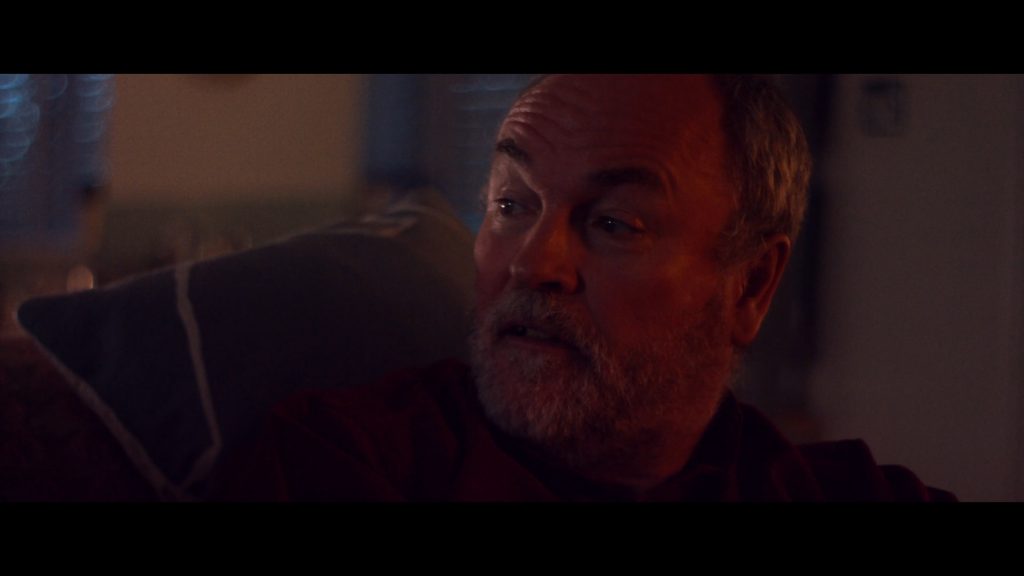
What makes My Final Note particularly interesting is that Marcus is not simply presented as a compassionate stranger who happens to be in the right place at the right time. A former paramedic, he carries emotional burdens of his own, particularly concerning the loss of a close friend named Tyler. Despite years of friendship and shared experiences travelling the world, Marcus failed to recognise the extent of Tyler’s suffering. Seeing something familiar in Paul’s demeanour presents him with an opportunity to help someone in a way he wishes he had done before.
There is a touching vulnerability to the exchanges between the two men. Paul is understandably reluctant to discuss his innermost feelings with someone he barely knows, while Marcus attempts to establish a connection through his own experiences. Their conversations explore the difficulty of recognising distress in others, the consequences of suffering in silence and the damaging belief that admitting vulnerability is somehow a sign of weakness.
As an actor, Games continues to impress. His performance here is a million miles away from his portrayal of a Teddy Boy in Dandilicious, demonstrating a range that makes him an increasingly interesting screen presence. There is a convincing emotional fragility to Paul, a man whose perception of his own worth has become distorted by years of unhappiness. Games handles the more emotionally demanding moments exceptionally well, while Riley proves an excellent counterpart, bringing warmth, compassion and a sense of personal regret to Marcus.
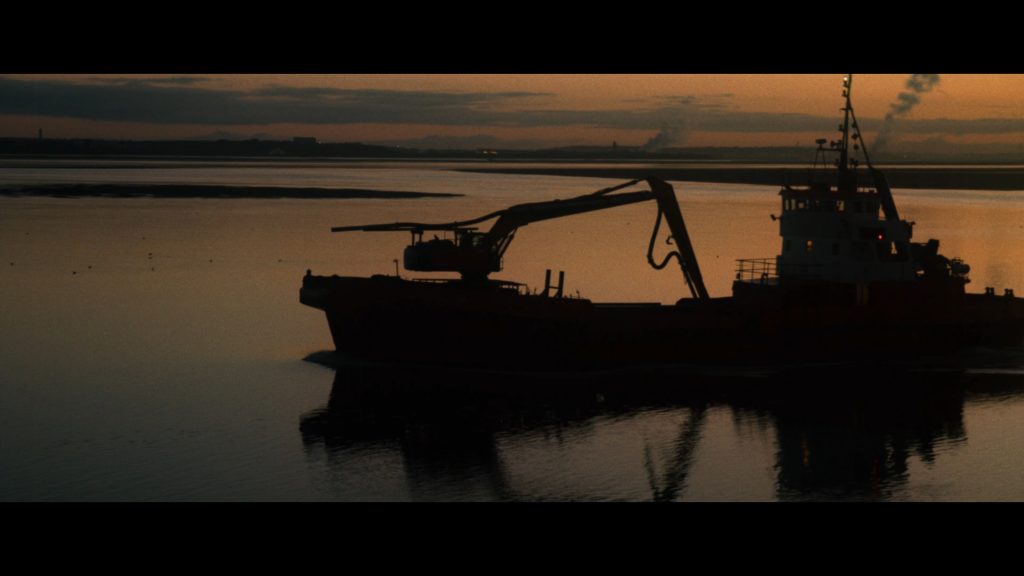
For a production that is predominantly dialogue-driven and built around two central performances, My Final Note also boasts remarkably accomplished production values. The cinematography is frequently gorgeous, particularly during the early morning coastal sequences. Boats silhouetted against the emerging daylight, lighthouses and expansive views of the shoreline provide some genuinely beautiful imagery. The carefully considered colour grade and subtle film grain give the production a cinematic texture that belies its modest independent scale, while the sparingly employed musical score complements the emotional material without overwhelming it.
Ultimately, My Final Note is a powerful and compassionate piece of independent filmmaking that further establishes Andrew Games as a talent worth following. Its technical accomplishments are impressive, its performances are excellent, and its subject matter is handled with considerable sensitivity. Most importantly, however, it encourages a conversation that extends beyond the confines of the film itself.
For anyone experiencing feelings similar to those expressed by Paul, please reach out to someone, whether that be a friend, a family member or a mental health professional. Samaritans can also be contacted free of charge on 116 123 in the UK and Ireland, at any time of the day or night. You do not have to face these feelings alone.
| Acting | |
| Direction | |
| Cinematography | |
| Writing | |
| Sound | |
| Screen Critix Rating |