
Writer’s block is a familiar frustration for anyone who has attempted to turn an idea into a finished piece of work. The desire to create can be overwhelming, yet finding the inspiration to begin is sometimes the greatest obstacle of all. This struggle forms the basis of Words to Paper, a 21-minute short film written and directed by Matthew Paris, who also takes on the leading role. Unfortunately, while the premise is relatable and the intentions are sincere, the resulting film struggles to transform a simple creative dilemma into an engaging cinematic experience.
Paris plays Leo Emerson, an aspiring novelist who wakes one morning determined to make progress on his writing. With the day ahead of him and no immediate distractions, the opportunity seems ideal. However, once seated at his desk, Leo discovers that having the time to write and knowing what to write are two very different things.
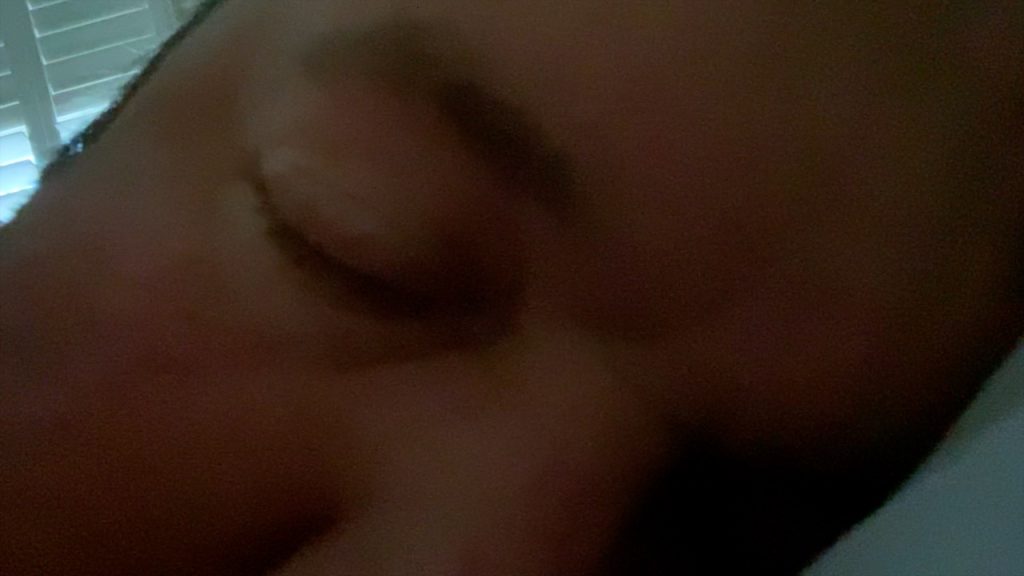
The film opens with an attractive establishing shot of a river beneath a bridge before cutting to an extreme close-up of Leo sleeping as his alarm sounds. A brief point-of-view sequence follows as he selects clothes from his wardrobe, although the decision to adopt this perspective feels somewhat arbitrary when the film immediately returns to more conventional camerawork. It is an early indication of a production that experiments with different visual approaches without always establishing a clear purpose for them.
As Leo struggles to find inspiration, the screenplay introduces a series of visual distractions accompanied by written observations appearing on screen. A framed painting of an eagle prompts the words ‘The bald eagle. I love America’, while other images reflect Leo’s wandering thoughts about travel, memories and his inability to concentrate. The intention is understandable. Anyone who has experienced writer’s block will recognise how easily the mind can drift towards seemingly unrelated subjects when faced with an empty page.
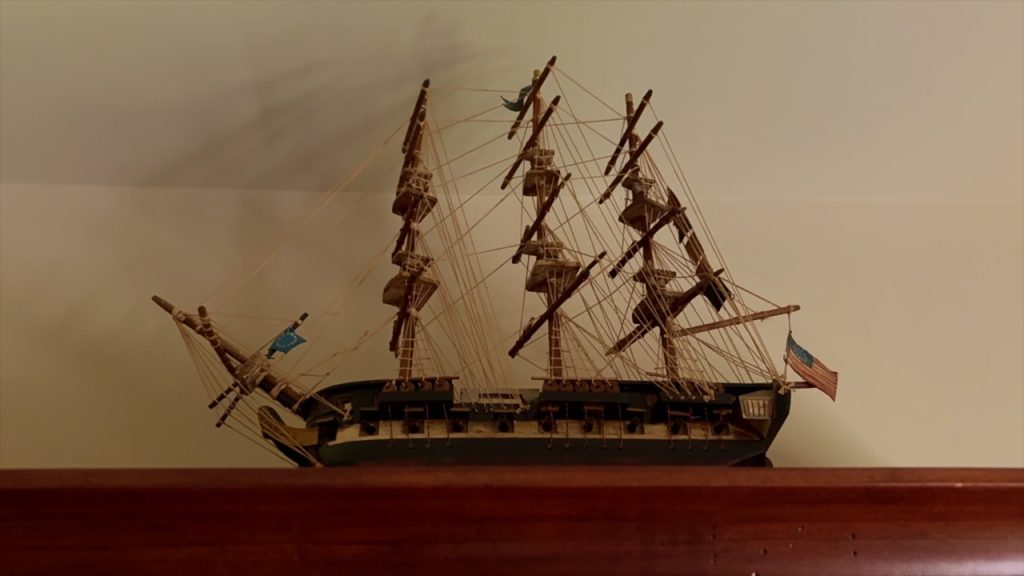
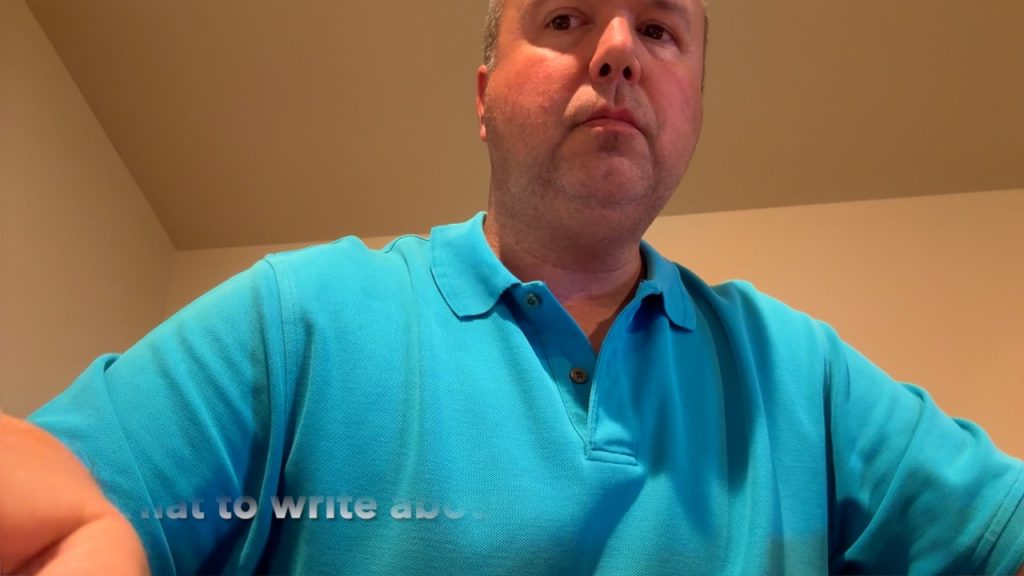
However, recognising the experience and successfully translating it into cinema are two different challenges. Again and again, the film returns to essentially the same medium close-up of Leo sitting at his desk, interspersed with seemingly random images of household objects, the American flag, a globe and the surrounding environment. A brief sequence involving the ocean introduces another passing thought before returning to the familiar desk composition. Rather than building upon the initial idea, these repeated transitions gradually diminish its effectiveness.
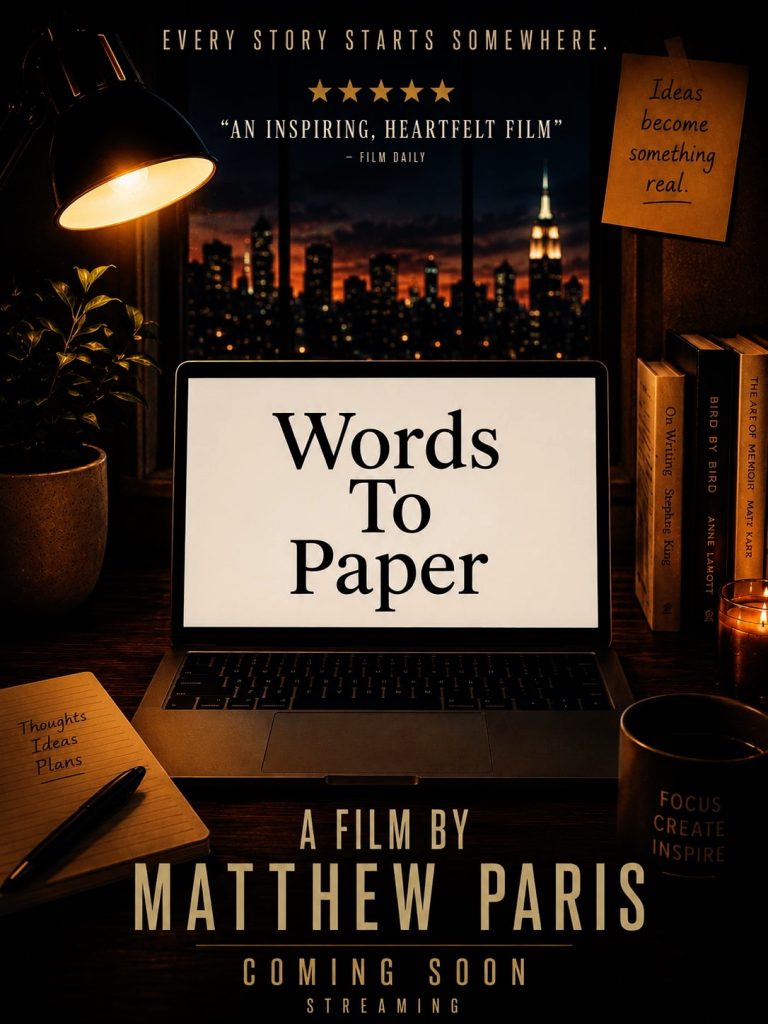
There is certainly room for experimental filmmaking within such a premise, particularly when attempting to visualise the unpredictable workings of a distracted mind. Unfortunately, the editing rarely develops a meaningful rhythm, and many of the cutaways feel disconnected from any broader narrative progression. An extended view of the backyard from an upstairs window, for example, adds little to our understanding of Leo’s predicament. The same can be said of several other sequences that appear to exist primarily to occupy screen time.
At approximately eight and a half minutes, Leo finally decides to leave the house and search for inspiration elsewhere. What follows is an extended drive and walk through various locations, accompanied by further on-screen observations about his surroundings, his upbringing and his hopes for the future. There are glimpses of a potentially more interesting film here, particularly in the suggestion that creativity can emerge through personal reflection and reconnecting with the world beyond one’s immediate surroundings.
Unfortunately, this excursion introduces further pacing problems. The journey, including Leo’s eventual return home, occupies approximately ten minutes of the film’s 21-minute running time. Shots of roads, buildings, trees, pathways and other locations accumulate without sufficient variation or dramatic development. What might have been an effective two-minute montage becomes a prolonged sequence that tests the viewer’s patience rather than deepening the central theme.
The sound design is another area requiring considerable attention. During the driving sequence, traffic noise continues into footage of Leo walking beside the road without an appreciable change in the audio environment. Similarly, the same footstep sounds appear to accompany him across different surfaces, despite the obvious differences between walking on a paved path, gravel or other terrain. These details might seem relatively minor individually, but collectively they undermine the credibility of the film’s environments.
The absence of dialogue also places greater responsibility upon the visual storytelling, editing and soundtrack. Upbeat music occasionally provides some welcome energy, but the reliance on added sound effects and written captions gives much of the production an unfinished quality. The imagery itself often resembles footage captured on an older consumer camcorder, with limited attention to lighting and visual consistency. Cinematographer James Farns is credited with the photography, although the overall presentation would have benefited from more deliberate compositions and a stronger visual identity.
Words to Paper: A Promising Idea Lost in Repetition
Perhaps the greatest frustration is that Words to Paper contains the foundations of a perfectly serviceable short film. The idea of an aspiring writer discovering inspiration by stepping away from his desk is straightforward, accessible and potentially rewarding. However, the material simply does not justify its present running time. A considerably tighter edit, perhaps reducing the film to five or six minutes, could preserve its entire narrative while dramatically improving the pacing and impact.
Paris deserves credit for pursuing a personal creative idea and bringing it to completion. Independent filmmaking is rarely easy, and there is an earnestness to the production that suggests a genuine interest in exploring the frustrations of artistic expression. Nevertheless, sincerity alone cannot compensate for fundamental weaknesses in pacing, editing and technical execution. Given Paris’s existing experience directing short films, these shortcomings are particularly disappointing.
Ultimately, Words to Paper is a well-intentioned but frustratingly repetitive examination of writer’s block. Its central message, that inspiration sometimes arrives when we stop forcing ourselves to create, is perfectly reasonable, but the film takes far too long to communicate something relatively simple. With a more disciplined approach to editing, stronger sound design and greater confidence in visual storytelling, this could have been a considerably more effective short. As it stands, however, Words to Paper feels more like an early filmmaking exercise than a fully realised production.
| Acting | |
| Direction | |
| Cinematography | |
| Writing | |
| Sound | |
| Screen Critix Rating |