
There is a peculiar sadness that comes with growing older, particularly when we begin to realise that some of the people who once occupied such an important place in our lives are no longer part of them. Friendships that seemed inseparable during our school or university years gradually become occasional telephone conversations, forgotten messages and promises to meet that never quite materialise. It is a familiar experience, and one that first-time director Olivia Jessica Burns explores with considerable sensitivity in Goodbye for Now, a touching thirteen-minute coming-of-age drama from Old Swan Films.
Filmed in Billinge, Merseyside, the short follows two university friends, Seren (Hannah McGlynn) and Kyra (Hannah Juliette-Collins), as they spend an autumn afternoon walking through the countryside. With graduation approaching, the pair find themselves contemplating what the future might hold and whether the friendship they have developed over the previous three years can survive the changes awaiting them.

The film opens with attractive views of the surrounding countryside before introducing the two young women as they make their way along a rural footpath. Their conversation is immediately recognisable, moving effortlessly between subjects without any particular direction. An upcoming party provides an initial topic, although it is not long before Seren begins discussing her relationship with her boyfriend, Ben, and the various reasons she is considering ending it.
Some of those reasons are certainly more convincing than others. Ben apparently makes peculiar cat noises and shares a toothbrush with his housemate, neither of which is especially appealing. However, Seren’s principal concern appears to be his diabetes and the possibility that she might eventually have to administer an injection. Her admission that she does not love him enough to do so is hardly a glowing endorsement of the relationship, and it reveals a rather selfish side to her character.
It is an amusing exchange, but one that also establishes the comfortable honesty between the two friends. Their conversations are not carefully constructed declarations about life and relationships. Instead, they resemble the sort of spontaneous, occasionally ridiculous discussions that develop when people know one another well enough to speak without considering every word.
As they continue their walk, the conversation drifts towards equally inconsequential matters, including whether dock leaves genuinely relieve the irritation caused by stinging nettles. These seemingly insignificant exchanges are important because they establish the ordinary nature of the afternoon. Nothing particularly remarkable is happening, yet the audience gradually becomes aware that this might be one of the last occasions when the two women can enjoy such uncomplicated time together.
Eventually, Seren and Kyra reach the summit of a hill, where they settle beside a monument and take in the surrounding landscape. With a joint and a flask providing refreshments, their conversation becomes more reflective as the reality of their approaching graduation begins to occupy their thoughts.
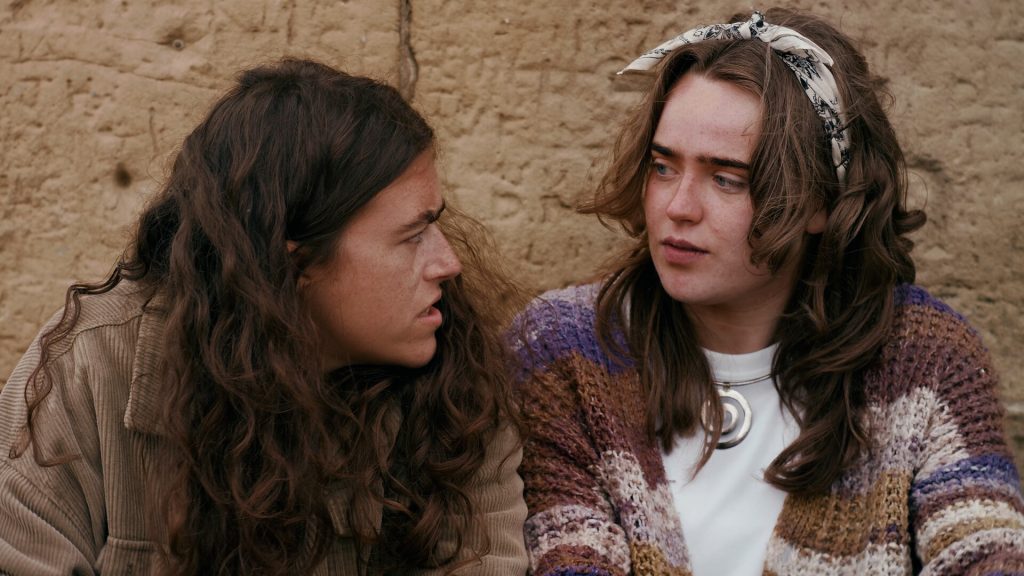
For three years, the pair have been almost constantly in one another’s company. Their friendship developed quickly after meeting at university, and the prospect of returning to separate lives is beginning to feel increasingly daunting, particularly for Seren.
At one point, she asks a question that provides the film with much of its emotional significance: “What if this is the best it ever gets?”
It is a simple observation, but one that will resonate with many viewers. During our younger years, we are frequently encouraged to appreciate the freedom and friendships available to us, often by older people who insist that these experiences will eventually become treasured memories. Naturally, we tend to dismiss such warnings, convinced that the most exciting chapters of our lives are still waiting to be written.
Only later do we begin to understand what they meant. Responsibilities accumulate, opportunities to spend time with friends become less frequent, and the spontaneity that once defined our relationships is gradually replaced by the practical demands of adulthood.
Burns captures this uncertainty particularly well, allowing Seren’s concerns to emerge naturally rather than presenting them through exaggerated emotional exchanges. Her anxiety is not simply about leaving university or finding employment. It is about losing the familiarity and companionship that have made the previous three years so meaningful.
Kyra approaches the situation with a more practical outlook. Although she clearly values their friendship, she appears less overwhelmed by the prospect of change, suggesting that the two women may already have different expectations about what their relationship will look like once university is behind them.
Determined to preserve their connection, Seren proposes that they meet every six months, regardless of where their lives might take them. Kyra considers this rather ambitious and suggests an annual reunion would be more manageable.
The pair eventually devise a small ritual involving their keyrings, which they conceal on the hillside with the intention of returning to the same location the following year. It is a modest gesture, but one that carries considerable significance for Seren, providing something tangible to represent a friendship she desperately hopes will remain unchanged.
The screenplay understands that such promises are often made with complete sincerity. When we assure someone that we will always remain close, we generally believe it. What we cannot anticipate is how easily the routines of adult life can interfere with even our most heartfelt intentions.
Without revealing every detail of the film’s conclusion, Goodbye for Now examines what happens when those expectations encounter reality. The story’s emotional impact comes not from dramatic confrontation or extraordinary circumstances, but from the quiet recognition that relationships can change without anyone deliberately intending to cause harm.
There is something especially affecting about friendships that fade in this manner. Unlike a romantic separation or a serious disagreement, there is often no defining incident to explain why two people have grown apart. Communication simply becomes less frequent until, eventually, someone who once knew almost everything about us becomes little more than a familiar name.
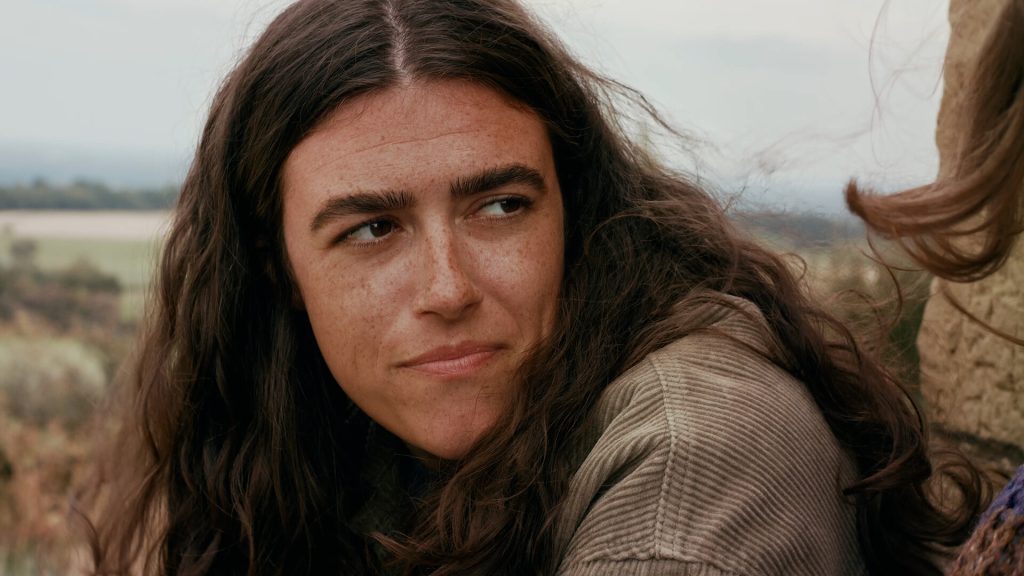
It also brings to mind a particularly melancholy observation about childhood: at some point, we went outside to play with our friends for the very last time, without any of us realising that the occasion would never be repeated. Goodbye for Now captures a similar moment in early adulthood, when the transition from education to independent life quietly changes the relationships we have come to depend upon.
Much of the film’s success rests upon its two central performances. Hannah McGlynn and Hannah Juliette-Collins share an easy, convincing chemistry, making Seren and Kyra feel like genuine friends rather than characters brought together simply to deliver the screenplay’s themes.
Their dialogue is naturalistic, frequently moving between humour and more serious subjects in the way conversations between close friends often do. Both performers understand the importance of restraint, allowing small changes in expression and tone to communicate feelings that their characters might not be comfortable expressing directly.
McGlynn is particularly effective in conveying Seren’s underlying vulnerability. Her character can be flippant and occasionally rather insensitive, especially when discussing her boyfriend, but beneath that outward confidence is someone genuinely frightened by the prospect of losing an important relationship. This combination of humour, insecurity and emotional dependence makes her believable rather than simply sympathetic.
Juliette-Collins provides an effective contrast as Kyra, whose more relaxed attitude towards the future gives the relationship an interesting imbalance. Her performance never suggests that Kyra is deliberately unkind or indifferent, but rather that she views the approaching changes differently from her friend. It is a subtle distinction, and one that becomes increasingly important as the narrative progresses.
The decision to structure the film almost entirely around these two characters is a sensible one. Rather than introducing unnecessary supporting roles or complications, Burns allows the friendship itself to provide the dramatic foundation. The result is an intimate piece of storytelling that remains focused throughout its brief running time.
The cinematography by Cameron Brown is another considerable strength. The countryside surrounding Billinge provides an attractive backdrop, with the open landscape and elevated hillside offering a welcome sense of space. The natural surroundings also complement the film’s themes, suggesting both the possibilities awaiting the characters and the physical distance that may eventually separate them.
Brown’s camerawork is confident and carefully considered, particularly in the wider compositions that establish the scale of the landscape around the two women. A memorable aerial shot towards the conclusion is especially effective, using the surrounding environment to emphasise the emotional isolation at the centre of the story.
It is an excellent example of visual storytelling, communicating a feeling that would have been considerably less effective had the screenplay attempted to explain it through dialogue.
The musical accompaniment is equally appropriate. Composed by Burns and performed by Olivia Jessica Burns, Cameron Brown and Finn Brown, the score provides a gentle emotional undercurrent without overwhelming the conversations or drawing unnecessary attention away from the performances.
The music works particularly well alongside the film’s attractive rural imagery, helping to establish a reflective atmosphere that becomes increasingly poignant as the story develops. Like the cinematography, it serves the narrative rather than attempting to manufacture emotion through excessive sentimentality.
There is also a pleasing personal quality to the production, reflected in the end credits, which feature photographs of the people involved alongside their names. It is a small touch, but one that feels appropriate for a film concerned with friendship, shared experiences and the memories we carry with us.

As a directorial debut, Goodbye for Now demonstrates an encouraging understanding of character-driven storytelling. Burns resists the temptation to overcomplicate the material, recognising that the film’s central subject is sufficiently universal to sustain the narrative without elaborate dramatic developments.
The screenplay is not concerned with providing answers about how friendships should survive the transition into adulthood. Instead, it acknowledges that relationships evolve, sometimes in ways that are painful or disappointing, and that the affection we once shared with someone does not necessarily guarantee their continued presence in our lives.
That is what makes Goodbye for Now such a relatable experience. Most viewers will be able to recall a friend with whom they once spent almost every day, only to realise that years have passed since their last meaningful conversation. Some of those relationships can be rekindled, while others remain preserved in memory, associated with a particular period of our lives that can never quite be recreated.
The film has received official selections at several festivals, including the Manchester Global Film Festival, Lincs Film Festival, Nottingham Film Festival, Lancashire Firestorm Film Festival and Lift-Off First-Time Sessions, providing an encouraging start for Burns’s debut.
Ultimately, Goodbye for Now is an impressive first effort from Olivia Jessica Burns, combining two convincing central performances with attractive cinematography, an effective musical score and a story that will strike a chord with anyone who has experienced the gradual loss of a once-close friendship.
It is a thoughtful, quietly emotional short film that understands how some of life’s most significant changes happen without ceremony or warning. We make promises, exchange goodbyes and assume there will always be another opportunity to meet, never quite appreciating that an ordinary afternoon together might eventually become a cherished memory.
Sometimes, goodbye for now becomes goodbye forever, even when neither person ever intended it to.
| Acting | |
| Direction | |
| Cinematography | |
| Writing | |
| Sound | |
| Screen Critix Rating |