
Folk horror has enjoyed something of a resurgence in recent years, but while many films lean heavily on rural folklore and ancient rituals, Broken Beak attempts to bring those traditions into the modern world. Blending murder mystery, slasher thrills, Māori mythology, environmental themes and body horror, Christian Carroll’s ambitious independent feature doesn’t lack ideas. In fact, if anything, it occasionally has too many. Fortunately, the film’s strong production values, compelling central mystery and memorable creature design ensure it remains an engaging watch throughout.
The film opens in striking black and white on the coastline of Falcons Bay, New Zealand, where a lucrative deal has just been signed to transform the area into a sprawling luxury development complete with timeshares, condominiums, a golf course and a theme park. It’s a celebration that proves short-lived. Wandering the shoreline alone with a whisky flask in hand, the developer hears an unsettling noise above him before coming face to face with a terrifying figure wearing an oversized bird mask. The resulting attack is swift and brutal, and as the victim collapses, the monochrome photography gradually gives way to colour, signalling the beginning of a much larger mystery.
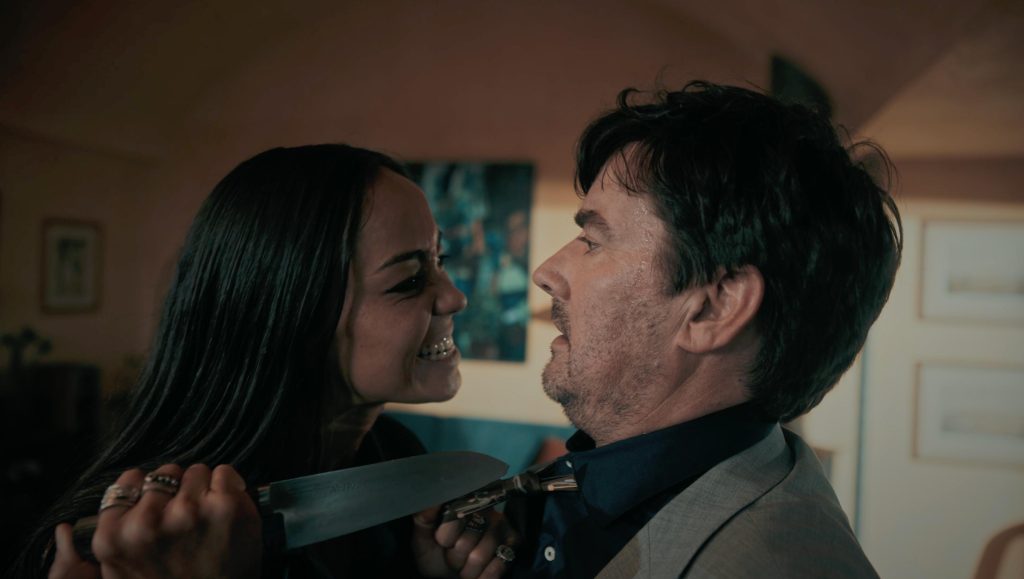
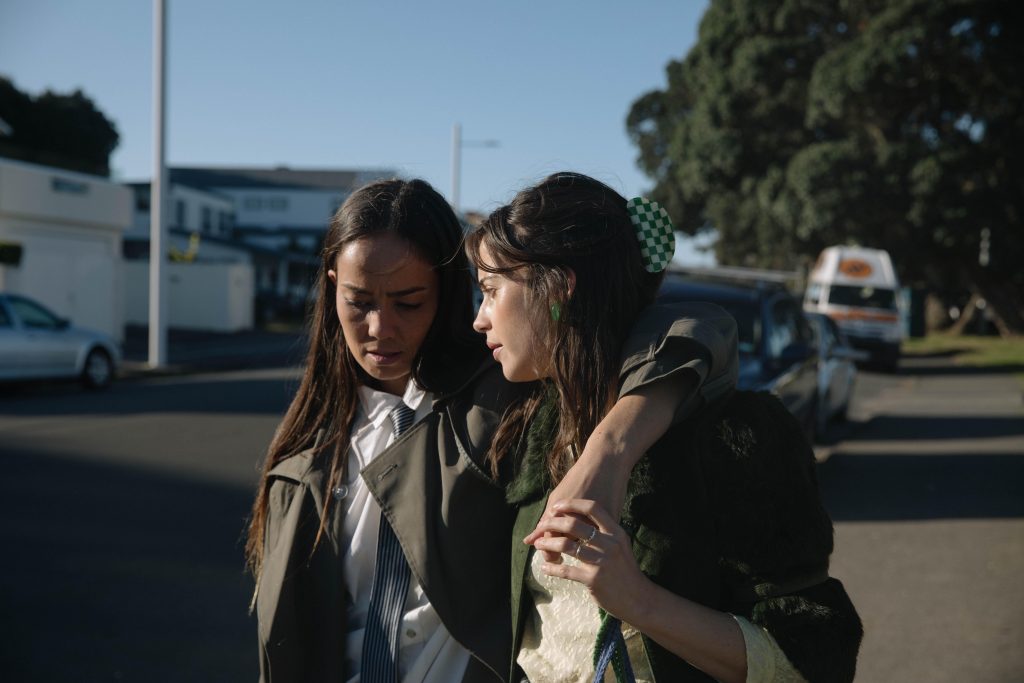
The story then shifts to New York, where we meet Emma (Briar Rose), a photographer originally from New Zealand whose work frequently features models dressed in elaborate bird-inspired costumes. It’s an artistic fascination rooted in her heritage, reflecting a time when New Zealand was home to birds rather than native land mammals. Emma’s life is abruptly interrupted when she learns that the murdered man was her uncle, forcing her to return home alongside her girlfriend Jackie (Lydia Peckham) for the reading of his will.
Emma inherits her uncle’s imposing home, a converted power station, but only on the condition that she lives there for thirty days before deciding whether to keep or sell it. Unsurprisingly, the arrangement doesn’t go down well with the rest of the family, particularly her cousin, whose resentment quickly boils over. As tensions rise and more family members begin dying in gruesome bird-themed attacks, Emma increasingly finds herself caught between grieving relative, prime suspect and potential victim.
Adding another layer to the mystery is the local legend of Broken Beak, a mythical bird-like protector of Falcons Bay whose story is brought vividly to life through an animated sequence. It’s one of the film’s standout moments, recalling the storybook animation used to recount The Tale of the Three Brothers in the Harry Potter films. Rather than relying solely on exposition, the folklore is presented with visual flair, helping the mythology feel ancient, tragic and deeply connected to the events unfolding in the present.
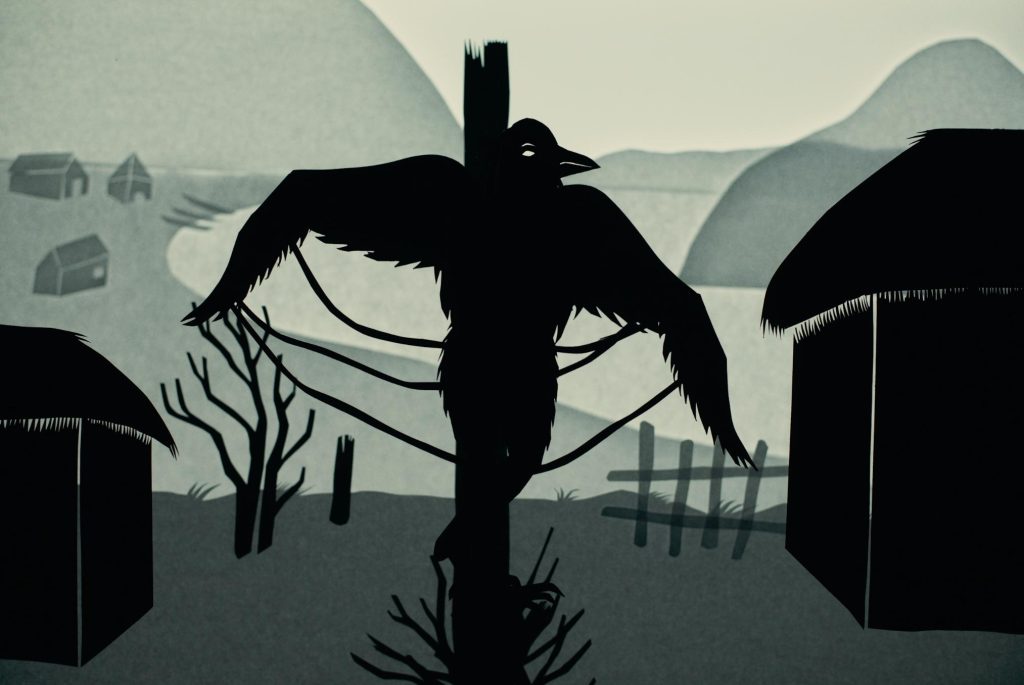
As the murders continue, visions of Broken Beak begin haunting Emma, blurring the line between psychological trauma, supernatural intervention and something altogether more sinister. The mystery remains engaging for much of the runtime, with enough uncertainty surrounding both the legend and the killings to keep viewers invested as the truth slowly emerges.
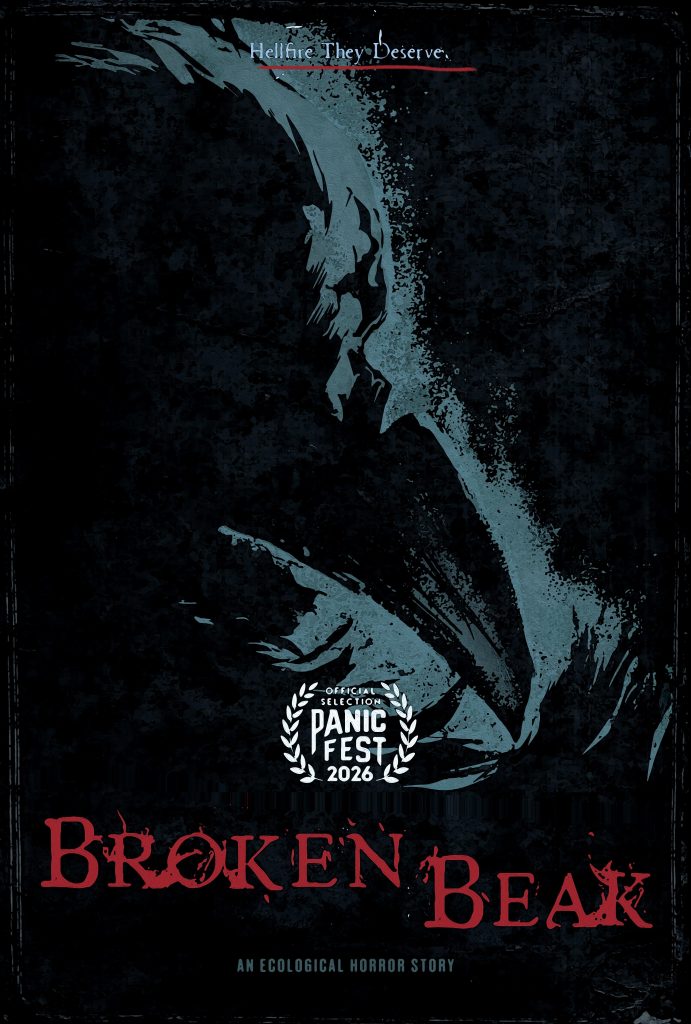
Visually, Broken Beak is an impressive achievement for an independent production. Carroll consistently demonstrates confidence behind the camera, delivering varied compositions, smooth camera movement and attractive lighting throughout. The opening transition from black and white into colour is particularly effective, while the recurring appearances of Broken Beak are staged with genuine menace. Whether the creature is lurking in the shadows or appearing in Emma’s disturbing visions, its design is striking enough to leave a lasting impression.
One sequence in particular stands out. As Emma relaxes in the bath, she experiences an unnerving vision involving Broken Beak that perfectly captures the darker tone the film is capable of achieving. It’s atmospheric, unsettling and genuinely creepy, showing just how effective the film becomes when it fully embraces its horror roots.
The score also deserves praise. Moody and consistently cinematic, the music helps establish an atmosphere of dread without overpowering the drama, complementing both the murder mystery and the supernatural elements. Sound design is equally polished, while the animated folklore sequence adds another welcome layer of craftsmanship to an already technically accomplished production.
Performances across the cast are generally strong, with Briar Rose carrying the film confidently as Emma. She gives the character enough vulnerability and determination to make her easy to invest in as the increasingly bizarre events unfold around her. The supporting cast also acquit themselves well, particularly as family rivalries begin surfacing following the inheritance.
Where Broken Beak occasionally struggles is in establishing a consistent identity.
Much of the film plays as a serious folk-horror thriller centred around greed, environmental exploitation and family conflict, and these darker elements are often its strongest. However, it also frequently shifts towards quirky comedy, largely through Jackie’s energetic personality and comedic behaviour. While Lydia Peckham gives an enthusiastic performance, the humour doesn’t always sit comfortably alongside the increasingly grim murders and supernatural tension. The tonal shifts can feel jarring, particularly when the film has already demonstrated how effective it is during its more unsettling sequences.
That said, it’s impossible not to admire the sheer ambition on display. Carroll wears multiple creative hats as writer, director, editor, composer and sound designer, crafting a film that tackles folklore, colonial history, environmental concerns, family dysfunction and serial killer mystery within a single narrative. Not every idea lands with equal success, but the willingness to attempt something so layered deserves recognition.
Ultimately, Broken Beak is a thoughtfully made independent horror film that combines folklore with contemporary themes in an engaging and visually polished package. While its occasional tonal inconsistency prevents it from fully reaching the heights it sometimes hints at, there’s far more to admire than criticise. Strong performances, impressive cinematography, memorable creature design and an intriguing central mystery make it a rewarding watch for fans of folk horror looking for something a little different.
Christian Carroll has delivered a feature filled with passion, imagination and genuine craftsmanship. With a tighter tonal focus, Broken Beak could have soared even higher, but as it stands, it remains an accomplished and ambitious piece of independent genre filmmaking that is well worth seeking out.
| Acting | |
| Direction | |
| Cinematography | |
| Writing | |
| Sound | |
| Screen Critix Rating |