
A thought provoking concept about faith, love, and humanity’s future is at the heart of The Manuscript, a Romanian independent short film that aims high, even if its execution doesn’t always match its ambition.
The film opens with on screen text, presented in both Romanian and English, outlining its central premise. Humanity is preparing to colonise Mars, sending a large group of carefully selected individuals to begin the long process of making the planet habitable. Among the engineers, doctors and builders is a philosopher, tasked with an unusual but significant responsibility. His role is to create a new religion for the settlers and for future generations that will inhabit the red planet. It is an intriguing idea, one that immediately raises questions about belief, purpose, and whether humanity can ever truly start over.
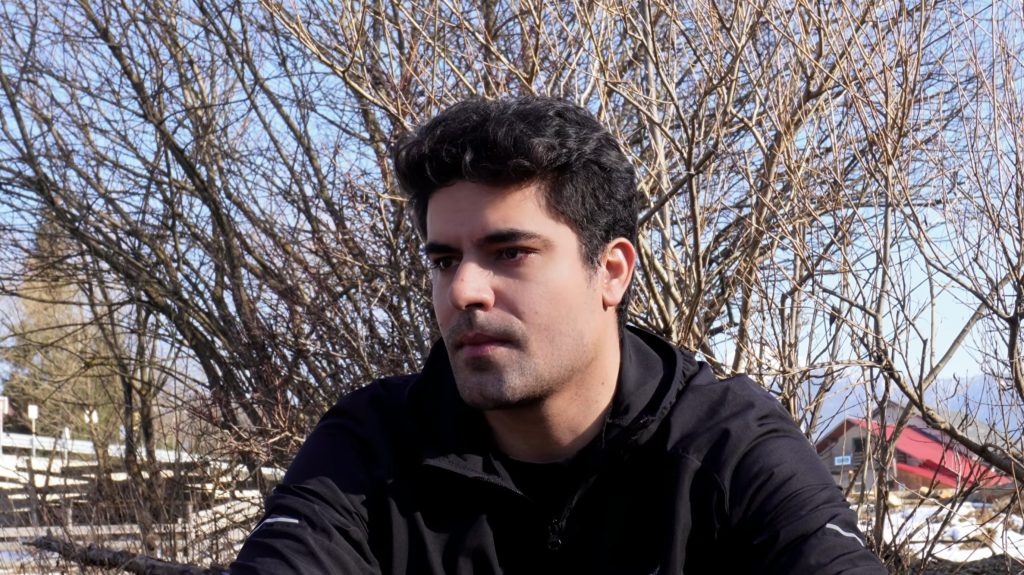
Accompanying this opening is a shift in tone through music and imagery. Sci fi inspired sounds give way to classical compositions, while we are shown natural landscapes, lakes, and mountains. It is a calm, almost meditative introduction, grounding the story in Earth before moving forward. We then meet Mihai, played by director Lucian Grozav, who is central to the narrative.
Mihai is faced with an enormous decision. He has been offered the role of philosopher on the Mars mission, but accepting it means leaving Earth behind permanently. Early scenes establish his internal conflict through a phone conversation with his mother, where the reality of the situation begins to settle in. There is no return journey. This is a one way trip, and it comes at a personal cost.
That cost becomes clear through his relationship with Miruna, played by Diana Irimias. A letter from her reveals the emotional weight of his potential departure, adding a romantic layer to the film’s broader philosophical themes. At its core, The Manuscript is not just about space exploration or religion, but about choice. Specifically, the choice between personal happiness and contributing to something far greater than oneself.
From here, the film moves through a series of scenes and montages that attempt to deepen Mihai’s internal struggle. There are moments of stillness, such as him sitting quietly, watching what appears to be a science fiction film, or simply existing within his environment. These are intercut with longer sequences of everyday imagery, including traffic and city life, as well as quieter character moments.
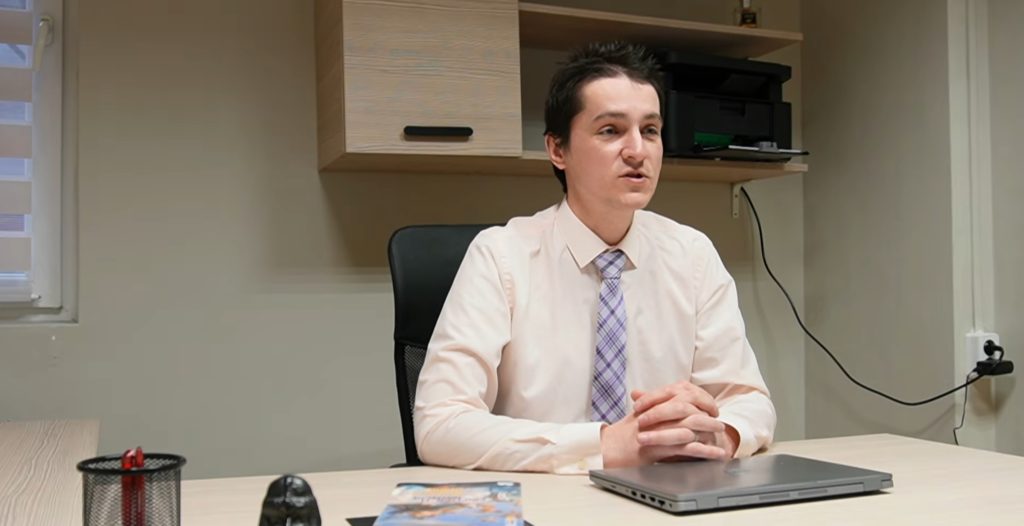
While the intention behind these sequences is clear, to create atmosphere and reflection, their length does begin to affect the pacing. Certain shots linger far longer than necessary, and as a result, the narrative momentum slows considerably. The same can be said for later scenes, including Mihai’s meeting with his uncle, where discussions around religion and belief become quite drawn out and at times overly direct.
The philosophical aspect of the film is undoubtedly one of its strongest ideas. The notion of constructing a new belief system for a fresh human civilisation is compelling and rarely explored in such a grounded way. However, the delivery occasionally leans towards being overly explanatory, rather than allowing the audience to interpret these ideas more naturally.
Miruna’s scenes follow a similar pattern. She is introduced in quiet, contemplative moments, often reading or writing, reinforcing her connection to Mihai. Again, while these scenes support the emotional tone, they could benefit from tighter editing to maintain engagement.
Visually, The Manuscript is a mixed experience. The cinematography is generally simple, relying heavily on static shots without much camera movement or lighting variation. However, the montage sequences stand out as more visually interesting, offering glimpses of creativity in composition and location choice. The use of classical music throughout is a positive element, helping to elevate certain moments and add emotional weight.
Technically, there are some noticeable limitations. Audio levels can be inconsistent at times, and the overall production reflects the realities of a low budget independent project. That said, it is clear that this is a passion driven film, with Lucian Grozav taking on multiple roles including writing, directing, cinematography, editing, and sound.
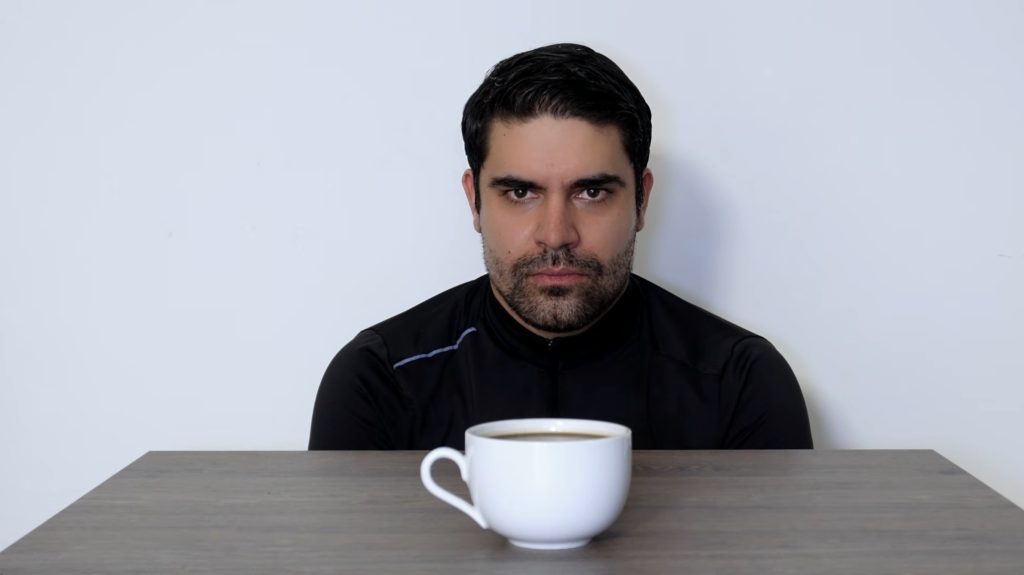
The Manuscript had good intentions but fails with basics
At 29 minutes, The Manuscript feels longer than it needs to be. The core story could arguably be told in a much shorter runtime without losing its impact. Trimming some of the extended sequences and tightening the dialogue would allow the central themes to come through more effectively.
Despite these issues, there is a strong foundation here. The concept is genuinely interesting, and the film is driven by ideas that go beyond its scale. It asks meaningful questions about humanity’s future, belief systems, and the sacrifices required to build something new.
The Manuscript may not fully realise its potential, but it is a clear step in the right direction. With more refinement in pacing and execution, future projects from Grozav and his team could develop into something far more polished and impactful. You can watch the short here on Youtube.
| Acting | |
| Direction | |
| Cinematography | |
| Writing | |
| Sound | |
| Screen Critix Rating |