
Grief, homelessness, immigration and compassion are all subjects that deserve thoughtful cinematic exploration, and The Sanctuary, written, directed and produced by Maynard Bagang, certainly isn’t afraid to tackle them. Rather than focusing on a single protagonist, the 72-minute independent drama intertwines two very different lives, bringing them together through shared loss and the kindness of strangers. While the film occasionally struggles beneath the weight of its ambitious themes, it also demonstrates genuine heart and enough filmmaking promise to suggest Bagang is a director worth watching.
The film opens quietly with James (Maynard Bagang) lying awake in bed, staring silently at the ceiling. It’s an immediately melancholic image, before the story jumps back ten years to happier times as James marries Lisa. The contrast between the warm, brightly lit wedding scenes and the colder, darker present-day sequences effectively establishes that something has gone terribly wrong in his life.
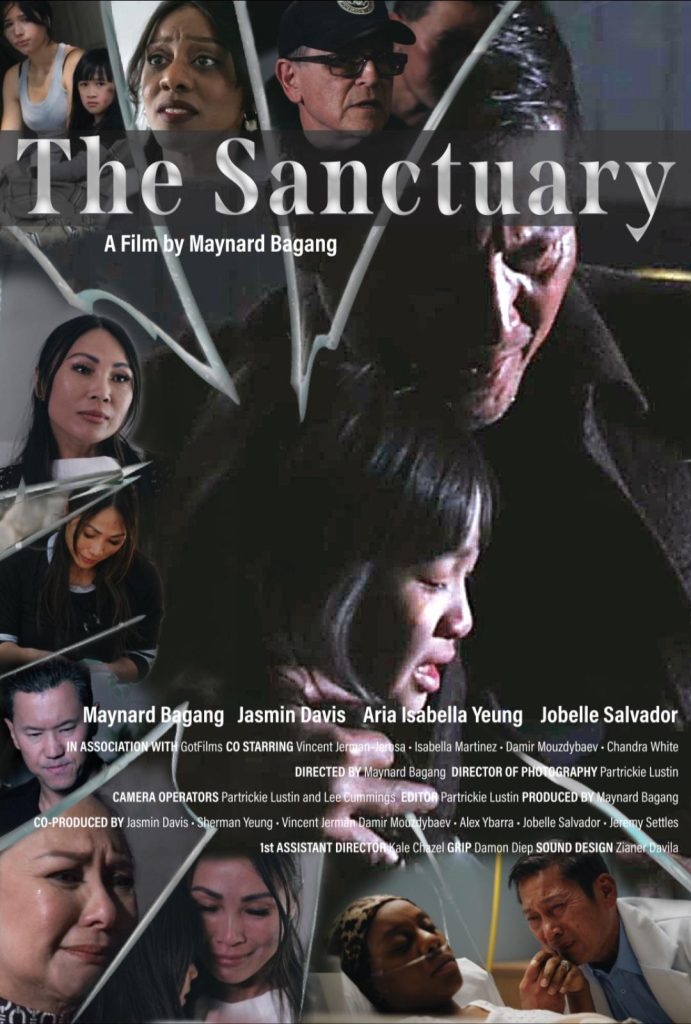
The narrative continues to move back and forth between James’ happier memories and his lonely present. Flashbacks show him and Lisa enjoying ordinary domestic moments, from preparing pancakes together to simply enjoying each other’s company. Although these scenes establish the depth of their relationship, some of the dialogue occasionally feels overly sentimental, with exchanges that don’t always sound as natural as they could. The audience never doubts their love for one another, but a little more restraint in the writing may have made these scenes feel even more authentic.
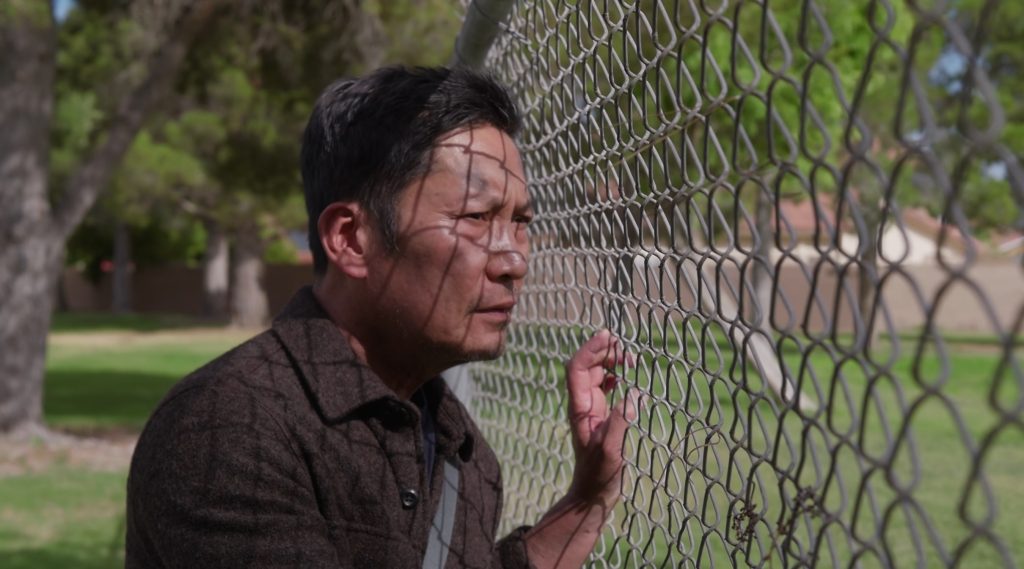
James spends much of the present day wandering parks and reflecting on his late wife through voice-over narration. These quieter moments allow Maynard Bagang to deliver the film’s strongest performance. His portrayal of grief is convincing, capturing a man who appears emotionally exhausted and unable to move forward. Without becoming overly theatrical, Bagang successfully communicates the emptiness that follows devastating loss.
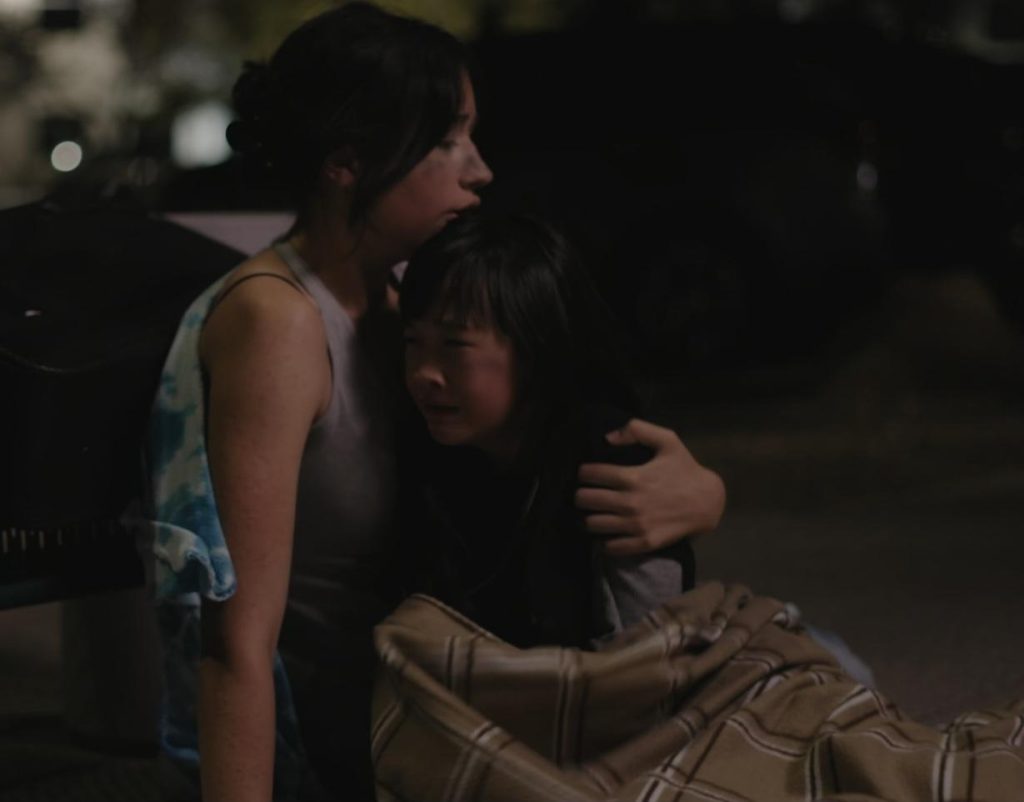
The story broadens considerably with the introduction of Isabella (Jasmin Davis), an undocumented immigrant raising her two young daughters. Isabella initially appears to have built a stable life for her family, but everything changes when her employer dismisses her out of fear of potential immigration enforcement. Suddenly homeless, Isabella and her children find themselves surviving on the streets with nowhere to turn.
These scenes are among the film’s most emotionally affecting. Jasmin Davis gives Isabella a quiet dignity as a mother desperately trying to protect her daughters despite increasingly impossible circumstances. Even more impressive are the performances from the young actresses, particularly Aria Isabella Yeung as Mara, whose natural emotional performance gives many of these scenes their greatest impact. Their fear, confusion and resilience never feel forced, making it easy for the audience to empathise with their situation.
Visually, The Sanctuary often exceeds expectations for an independent production. Cinematographer Partrickie Lustin consistently finds attractive compositions throughout the film, while the lighting remains clean and cinematic across many interior and exterior scenes. The flashbacks, in particular, carry a warmer visual palette that nicely contrasts with James’ lonely present.
The film also deserves credit for attempting to tell a socially relevant story. Immigration, homelessness and grief are subjects that continue to affect countless people, and Bagang clearly approaches them with sincerity rather than exploitation. The film’s central message of compassion and empathy is admirable, particularly during a period when these issues remain highly divisive.
However, despite its strengths, The Sanctuary is not without noticeable flaws.
The screenplay often explains its themes too directly rather than allowing the audience to discover them naturally. Characters frequently verbalise exactly what they are thinking or feeling, leaving little room for subtlety. Several emotional moments would likely have carried greater weight had the script trusted viewers to interpret events for themselves rather than spelling everything out through dialogue.
The film also attempts to balance multiple storylines simultaneously. James’ deeply personal exploration of grief sometimes feels like a very different film from Isabella’s struggle as an undocumented immigrant facing homelessness. While both stories eventually intersect, the narrative occasionally lacks the focus needed to fully develop either thread.
Technically, the production is also somewhat inconsistent. While dialogue is always clear, the sound design feels noticeably thin throughout much of the film. Many scenes lack natural room ambience, making locations feel quieter than they should. Music cues also tend to stop abruptly between scenes rather than flowing naturally through transitions, which can occasionally disrupt the emotional rhythm.
Some of the supporting performances also vary in quality. While the principal cast generally deliver convincing work, several smaller roles feel less polished, reminding viewers of the film’s independent origins. Likewise, the audio mix remains largely static, with characters maintaining similar volume levels regardless of their physical distance from the camera, reducing the sense of realism during certain conversations.
Even so, The Sanctuary deserves recognition for what it achieves. Independent filmmaking is rarely easy, particularly when tackling emotionally charged subject matter with limited resources. Bagang demonstrates genuine ambition, both behind and in front of the camera, and his desire to tell a meaningful story is evident throughout.
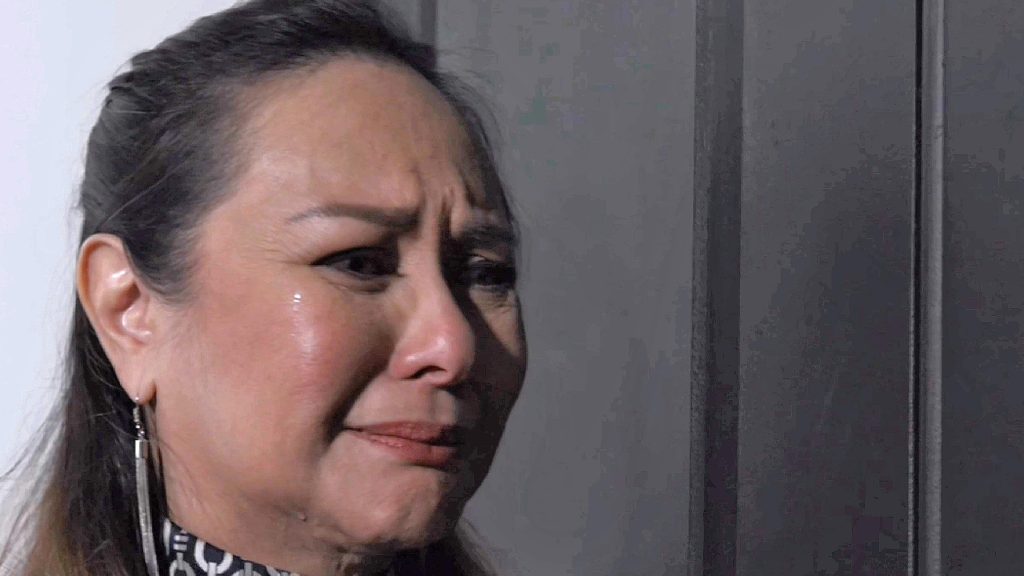
The film may occasionally be heavy-handed in delivering its message, but its sincerity never feels manufactured. At its core, The Sanctuary asks audiences to show compassion towards people carrying burdens we may never fully understand. Whether dealing with grief, homelessness or immigration, its belief in empathy remains consistent from beginning to end.
For a feature debut, there is plenty here to admire. The cinematography is frequently attractive, the lead performances are strong, particularly from Maynard Bagang, Jasmin Davis and young Aria Isabella Yeung, and the film addresses important contemporary issues with clear conviction. The screenplay would benefit from greater subtlety, the pacing occasionally drifts, and the sound design requires further refinement, but these are all areas that experience can improve.
The Sanctuary is an imperfect but heartfelt independent drama that succeeds more often than it stumbles. It may not always trust its audience enough, but it demonstrates that Maynard Bagang has both the passion and potential to continue growing as a filmmaker. On the strength of this debut, it will be interesting to see where he goes next.
| Acting | |
| Direction | |
| Cinematography | |
| Writing | |
| Sound | |
| Screen Critix Rating |