
A silent figure wanders through a bleak and fragmented world in Lai Cheuk Nam’s experimental short Stray Dog, a film that is as unsettling as it is hypnotic. Here’s our review.
Experimental cinema is always a difficult space to define, often rejecting traditional storytelling in favour of imagery, atmosphere and interpretation. Stray Dog firmly plants itself within that category, offering a twenty one minute visual poem that prioritises feeling over narrative. For some viewers, it will be a fascinating and absorbing experience, while others may find themselves confused or even alienated by its abstract nature.
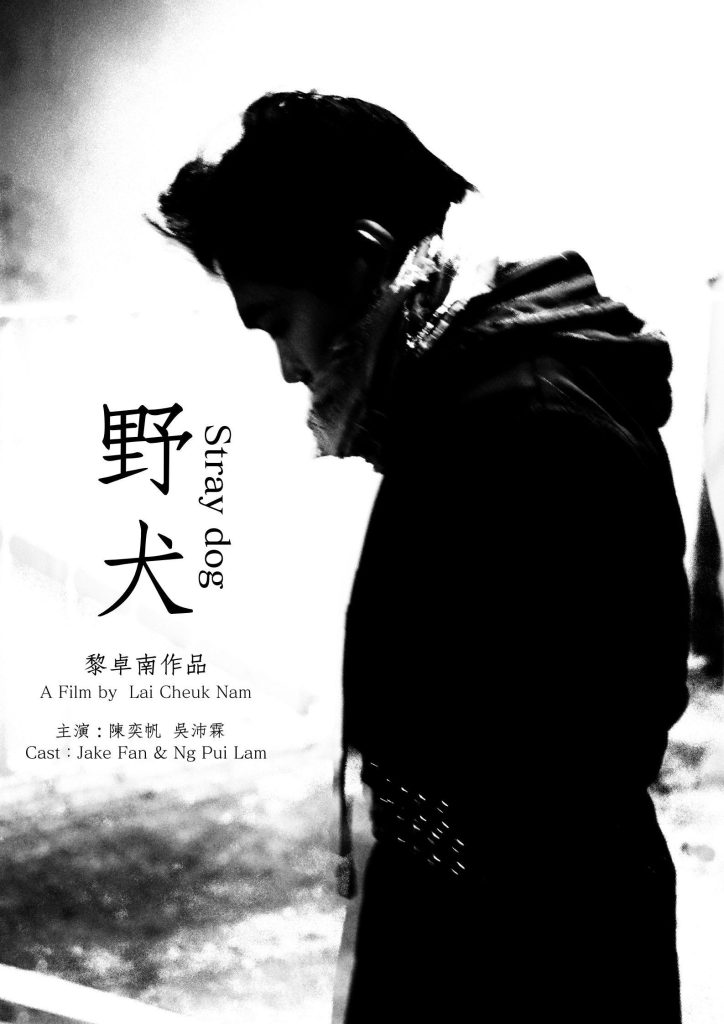
Shot entirely in black and white, the film immediately establishes a stark and uncompromising tone. The absence of colour strips the world down to its bare essentials, emphasising texture, shadow and movement. From the opening moments, there is a sense that this is not going to be a conventional journey. A man walks through woodland carrying a bag, the camera following closely behind him. There is no dialogue, no explanation, just the quiet tension of movement through space.
This sense of unease builds steadily. The man passes a moving train, a striking visual that adds to the film’s feeling of dislocation, before abandoning his bag and breaking into a run. It is never entirely clear what he is running from or towards, but that ambiguity is central to the experience. When he eventually encounters a broken mirror on the ground and lies upon it, the imagery becomes even more symbolic, suggesting fragmentation, identity, or perhaps self destruction.
From this point on, Stray Dog moves deeper into the surreal. A close up of a snail slowly navigating its environment interrupts the human narrative, creating a sharp contrast between frantic movement and patient stillness. It is a moment that feels oddly meditative, yet also slightly unsettling, as the film shifts between organic life and more disturbing human imagery.
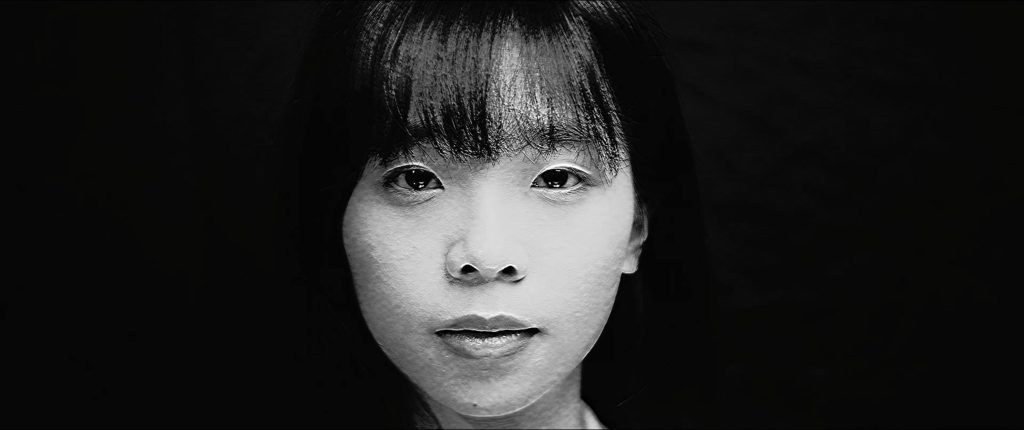
One of the most striking sequences involves a group of hooded figures seated around a table. Their faces are hidden, their actions ritualistic. They shake objects in a cup and spill them onto the surface before them, revealing that one of the items is a human eye. What follows is one of the film’s more disturbing images, as a figure lifts their hood just enough to expose their mouth and consumes the eye. It is a moment that will likely divide audiences, some will see it as provocative and symbolic, others may simply find it off putting.
There is a clear influence of surrealist cinema running throughout Stray Dog. The work of Alejandro Jodorowsky comes to mind, particularly in the way the film presents striking, often shocking imagery without offering direct explanation. Like The Holy Mountain, this is a film that invites interpretation rather than providing answers, leaving the audience to piece together meaning from what they have seen.
The sound design plays a crucial role in shaping the experience. Without dialogue, the film relies heavily on its electronic score to guide the viewer. The music is deliberately unsettling, adding tension to even the most static images and amplifying the discomfort of the more extreme moments. It works effectively in drawing the audience deeper into the film’s world, even when the visuals themselves become difficult to process.
What is perhaps most impressive about Stray Dog is its commitment to its vision. Lai Cheuk Nam is clearly not interested in following trends or appealing to mainstream expectations. This is a film made with a very specific artistic intent, one that prioritises personal expression over accessibility. While that may limit its appeal to a wider audience, it also ensures that the film stands out in a crowded landscape of more conventional short films.
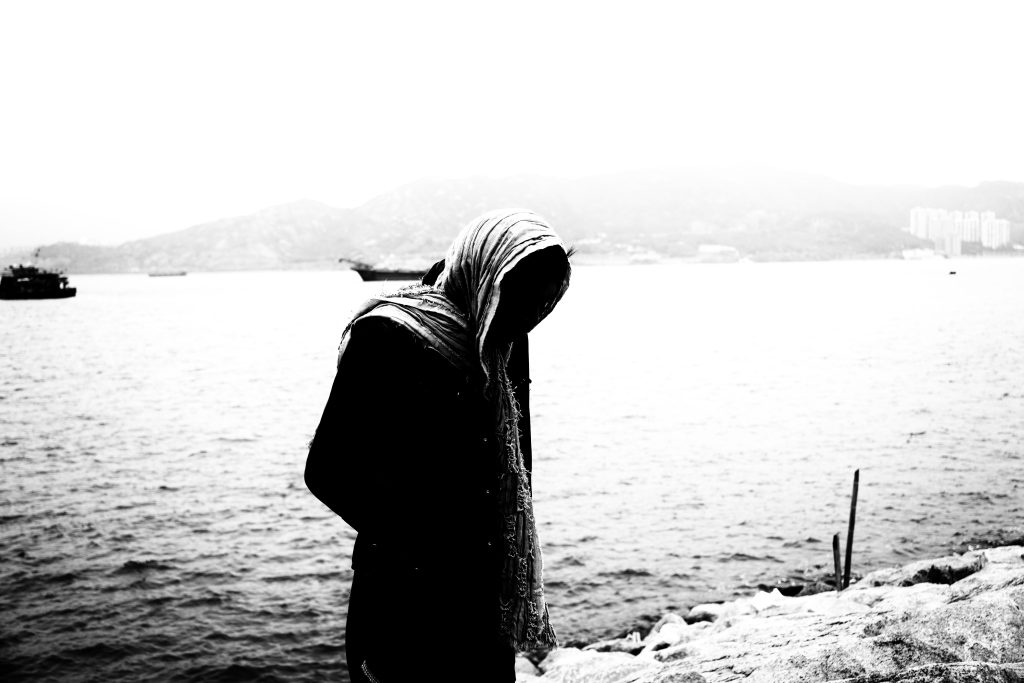
The performances, though minimal in a traditional sense, serve the film well. Jake Fan as the central figure carries much of the visual weight, his physical presence and movement anchoring the more abstract elements. The supporting cast, including the performers behind the hooded figures, contribute to the film’s unsettling atmosphere without ever needing to rely on dialogue or conventional character development.
Stray Dog Combines Art and Surrealism
Given its style and subject matter, Stray Dog is unlikely to resonate with everyone. Viewers looking for a clear story or emotional arc may struggle to connect with it. However, for those open to experimental filmmaking, it offers a compelling and memorable experience. Its success on the festival circuit, including awards and selections across multiple international events, suggests that it has already found its audience within that space.
Ultimately, Stray Dog is less a film to be understood and more one to be experienced. It is strange, at times disturbing, and often visually striking. It may leave viewers questioning what they have just watched, but it is unlikely to leave them indifferent. As a piece of experimental cinema, it demands attention and, at the very least, respect for its boldness and originality.
| Acting | |
| Direction | |
| Cinematography | |
| Writing | |
| Sound | |
| Screen Critix Rating |