
Independent short films that deal with illness, parenthood, and personal struggle can be difficult to get right. Lean too far into sentimentality and the story feels forced. Hold back too much and the emotional core is lost. Drowned, the 19-minute short from writer and director Ryan Nunes (story by Ryan Nunes and Julien Elliot, co-directed with Sean Campbell), manages to walk that delicate line with sincerity, ambition, and a strong sense of human truth.
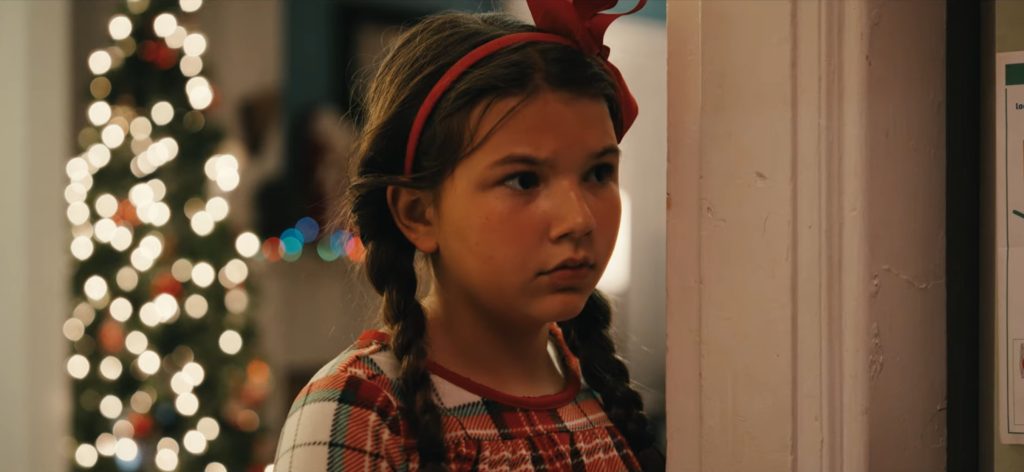
The film opens during a Christmas gathering, with friends and family celebrating in a warm and lively home. It is an immediately effective introduction, not just because of the festive setting, but due to the filmmaking choice behind it. Rather than relying on simple cutaway close-ups, the camera tracks through the house in a fluid opening movement before landing in the kitchen, where the real emotional fracture lies. There, Sarah (Sonya Richards) and Jake (Ryan Nunes) argue, and the seeds of their separation are planted. It is a confident visual decision that signals early on that this is a filmmaker with a clear eye for tone and storytelling.
From that point, the narrative shifts forward in time to show the aftermath. Sarah is now a single mother raising her daughter Emma (Julia Little), and life is not going smoothly. She is frequently late taking Emma to school, forgets essential responsibilities like refilling her epipen, and is quietly judged by those around her. The film does not portray her as careless, but as someone who is clearly overwhelmed and struggling under the weight of chronic illness, emotional exhaustion, and the pressure of motherhood.
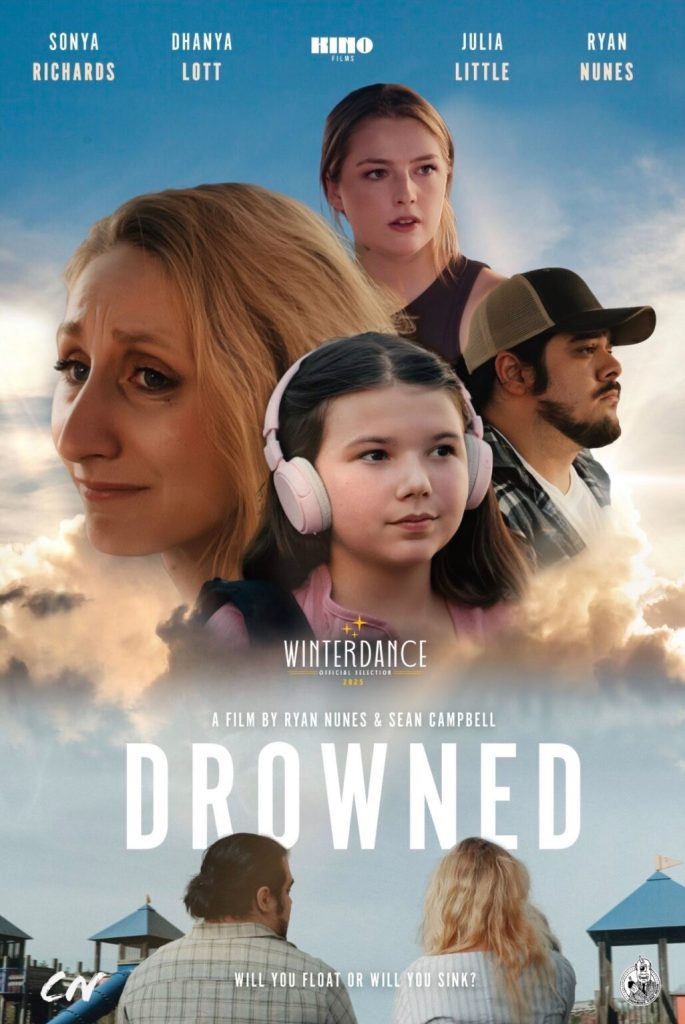
One of Drowned’s strongest qualities is how it presents conflict without turning its characters into simple heroes or villains. Jake is not written as a one-dimensional antagonist. Instead, he is a father who is worried about stability for his daughter and whose frustration often manifests as anger. His confrontations with Sarah, especially when Emma’s safety becomes a concern, feel grounded and believable rather than exaggerated for drama. Their interactions are messy, emotional, and painfully human, reflecting a fractured family still bound together by shared responsibility.
The central metaphor of “drowning” is woven throughout the narrative in a subtle but effective way. Sarah is not just dealing with logistical struggles as a parent. She is battling illness, judgment, and a system that increasingly sees her as unreliable or unfit rather than unwell. This thematic focus becomes especially impactful during the school incident involving Emma’s missing epipen, which acts as a turning point in the story. The fallout from this moment escalates the tension between Sarah and Jake, with custody becoming a looming threat and Sarah’s sense of failure deepening further.

Performance-wise, the film is anchored by a deeply committed lead turn from Sonya Richards. Her portrayal of Sarah is emotionally raw, capturing desperation, guilt, and love in equal measure. She never plays the role for sympathy alone. Instead, she presents a layered character who knows she is struggling but still wants what is best for her child. It is a grounded and believable performance that carries the emotional weight of the film.
Ryan Nunes also delivers a strong performance as Jake, balancing anger with concern in a way that avoids caricature. His outbursts feel rooted in fear rather than cruelty, which adds nuance to the custody conflict at the heart of the story. Julia Little, as Emma, brings a natural presence that enhances the authenticity of the family dynamic, while Andrea Borges as therapist Julie provides a quieter, stabilising presence within Sarah’s increasingly chaotic life.
Technically, Drowned is impressive for a short film. The cinematography by Ethan DeAguiar stands out as one of the production’s highlights. The contrast between the warm tones of the opening Christmas sequence and the colder, more muted palette of Sarah’s present-day life visually reinforces her emotional decline. The house, once lively and comforting, begins to feel confined and isolating, reflecting her mental state.
The score by Nick Bernat complements the drama effectively without overpowering the performances. It enhances the emotional beats while allowing silence and dialogue to carry the heavier moments. The sound design by Cam Evans is equally strong, maintaining clarity during emotionally intense scenes that rely heavily on shouting, crying, and layered dialogue.
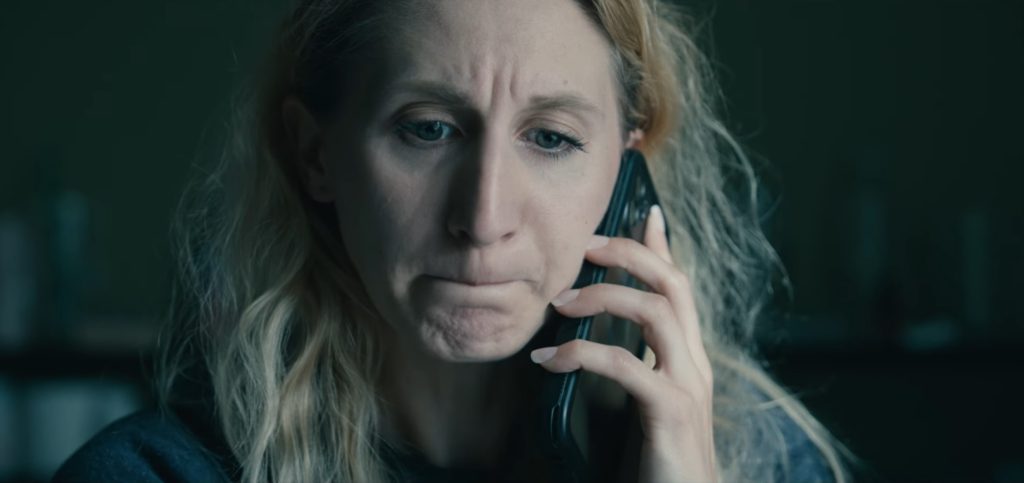
That said, the film is not without minor flaws. At times, the drama leans slightly into melodrama, particularly in the more confrontational exchanges between Sarah and Jake. However, these moments are grounded enough in character motivation that they rarely feel out of place. If anything, they reflect the heightened emotional reality of two parents under immense stress rather than artificial exaggeration.
Drowned is a powerful short film
What truly elevates Drowned is its heart. This is not a comfortable watch, nor is it meant to be. It is a drama about chronic illness, parental pressure, and the fear of being judged as inadequate when one is simply struggling to survive day to day. The film never pretends that the situation is easy or neatly resolved, and that honesty gives it weight.
Ryan Nunes continues to show growth as a filmmaker here, both behind and in front of the camera. The direction is confident, the emotional themes are handled with care, and the storytelling remains focused on character above spectacle. With strong cinematography, committed performances, and a genuinely affecting central narrative, Drowned stands out as a thoughtful and emotionally resonant short that leaves a lasting impression long after its runtime ends.
| Acting | |
| Direction | |
| Cinematography | |
| Writing | |
| Sound | |
| Screen Critix Rating |