
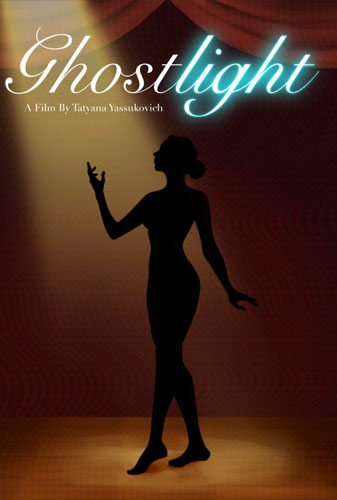
Lockdown changed everything. For most, it meant isolation and uncertainty. For those in the theatre world, it meant something even more profound, the sudden disappearance of the very thing that defines them. Ghostlight explores that void with quiet honesty and a deeply personal touch.
Written and directed by Tatyana Yassukovich, the film does not follow a conventional narrative. Instead, it unfolds as a series of connected moments, focusing on a small group of performers attempting to adapt to a world where stages are closed and human interaction is reduced to screens. It is less about plot and more about capturing a specific emotional state, one that many will remember all too well.
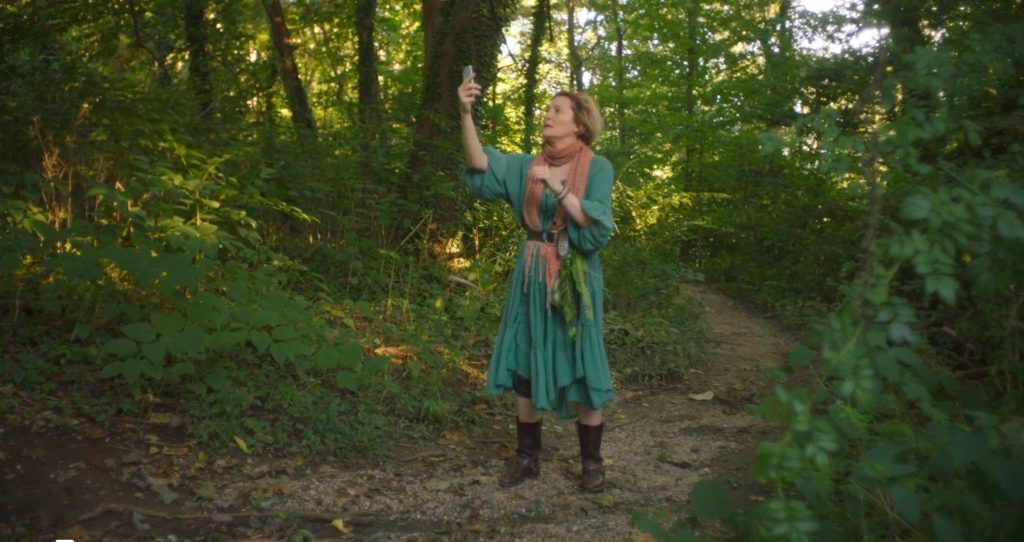
Rather than building towards a traditional beginning, middle, and end, Ghostlight moves between its characters, allowing each to tell part of the story. Maisie, played by Suli Holum, is introduced as she comes to terms with her theatre work shifting online, with productions such as King Lear now confined to video calls. It is a moment that feels grounded and real, reflecting the wider industry at the time.
Elsewhere, Sasha, portrayed by Tara Ann Culp, faces a more definitive blow when a production she was due to appear in is cancelled outright. It is a brief but effective reminder of how fragile the performing arts became during that period, with opportunities disappearing almost overnight. Alice, played by Cerris Morgan-Moyer, represents another side of the experience, the creeping loneliness that comes with prolonged isolation.
What makes Ghostlight stand out is the way it blurs the boundary between performance and reality. Characters rehearse, deliver monologues, and engage in creative exercises, but there is often a sense that these actions are as much about coping as they are about acting. It becomes difficult at times to separate the character from the performer, which adds to the film’s authenticity.
The structure allows for a variety of perspectives. We see relationships tested, routines maintained, and creativity reshaped under restriction. One storyline follows a director and his partner navigating lockdown together, balancing their personal connection with the desire to continue making work. Another focuses on an ageing performer maintaining discipline through daily practice, reinforcing the idea that performance is not just a job, but a way of life.
Despite its heavy themes, the film is not without lighter moments. There is a sense of resilience that runs throughout, particularly in scenes where performers take their craft outside of traditional spaces. A standout sequence involves a public performance in an open setting, where the act of performing becomes an assertion of identity as much as it is entertainment. These moments bring a welcome sense of warmth and humanity.
From a technical standpoint, Ghostlight fully embraces the limitations imposed by its setting. The use of webcams, phones, and personal environments creates a naturalistic style that feels unfiltered and immediate. Rooms are cluttered, lighting is inconsistent, and framing is often imperfect, but all of this works in the film’s favour. It adds to the sense that what we are watching is not constructed, but lived.
The sound design and score complement this approach well. Jay Purdy’s music, particularly the use of piano, adds an emotional layer without overwhelming the visuals. It supports the film’s reflective tone, allowing scenes to breathe and giving space for the performances to resonate.
Those performances are key to the film’s success. The cast deliver work that feels genuine and understated, avoiding theatrical exaggeration in favour of something more grounded. There is a shared understanding among the ensemble that helps maintain consistency, even as the film moves between different characters and locations.
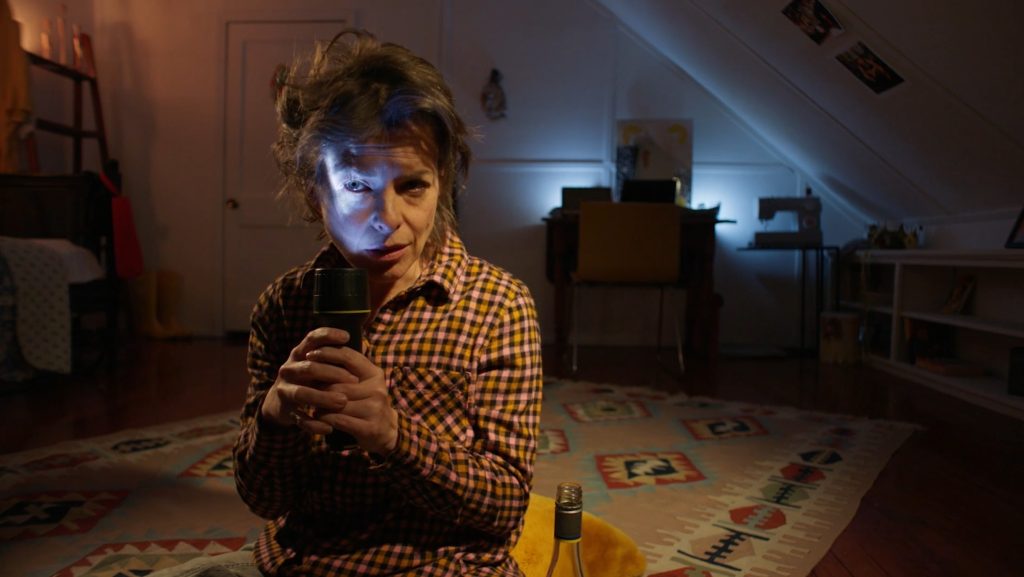
Ghostlight Adds Quirkiness to the Covid Lockdown
It is worth noting that Ghostlight is not designed for a broad audience. Its focus on theatre and its unconventional structure may not appeal to viewers looking for a more traditional cinematic experience. The pacing is deliberate, and the absence of a clear narrative arc may test some patience. However, for those willing to engage with its approach, there is a great deal of substance beneath the surface.
What the film ultimately achieves is a preservation of a moment that still feels close, yet already distant. It captures not only the disruption caused by lockdown, but also the creativity and determination that emerged from it. For anyone connected to the performing arts, it will likely resonate on a deeper level, but even outside that world, it offers insight into how people adapted when everything familiar was taken away.
Ghostlight is not about spectacle or grand storytelling. It is about people, their craft, and their need to continue creating, even when the stage has disappeared. In doing so, it becomes both a reflection and a reminder of a time that changed everything.
| Acting | |
| Direction | |
| Cinematography | |
| Writing | |
| Sound | |
| Screen Critix Rating |