
A disturbing and deeply thought provoking documentary explores one of the most unthinkable crimes imaginable, when a parent takes the life of their own child as an act of revenge.
Directed by Bartul Marušić, FILICIDE – as a Means of Revenge Against a Partner is not an easy watch, nor is it meant to be. Running at just under one hour and forty minutes, this Croatian documentary delves into a subject that is rarely discussed in depth, yet remains tragically relevant across the world. Through a combination of interviews, real case studies and expert insight, the film attempts to understand the psychology behind what is known as revenge filicide.

The documentary opens in an unexpected fashion, almost resembling a low budget thriller. Marušić is seen walking through corridors, creating an uneasy atmosphere before the film shifts into its true form. This transition is effective, grounding the viewer in the reality that what follows is not fiction, but something far more unsettling. Early discussions with a lawyer set the tone, outlining the strict limitations placed on filming such sensitive material, while also hinting at the director’s own past. It is a curious and intriguing introduction that pulls the audience in.
From there, the film presents real world cases that highlight the horror of filicide. One particularly harrowing account from Croatia details the murder of three young children by their father following a separation from his wife. The tragedy is compounded by the fact that warnings had reportedly been raised beforehand, yet no intervention prevented the outcome. Another case from the United States examines a mother who, fearing the loss of custody, committed an act of violence that resulted in the deaths of her own children. These stories are presented without sensationalism, allowing the weight of the events to speak for themselves.
What makes the documentary especially compelling is its attempt to go beyond the headlines. Interviews with perpetrators, psychologists and other contributors provide insight into the motivations behind such crimes. Themes of control, jealousy and the fear of abandonment emerge repeatedly. The film also introduces factual context, noting that a significant number of offenders have histories of domestic abuse or unemployment, reinforcing the idea that these acts do not occur in isolation.
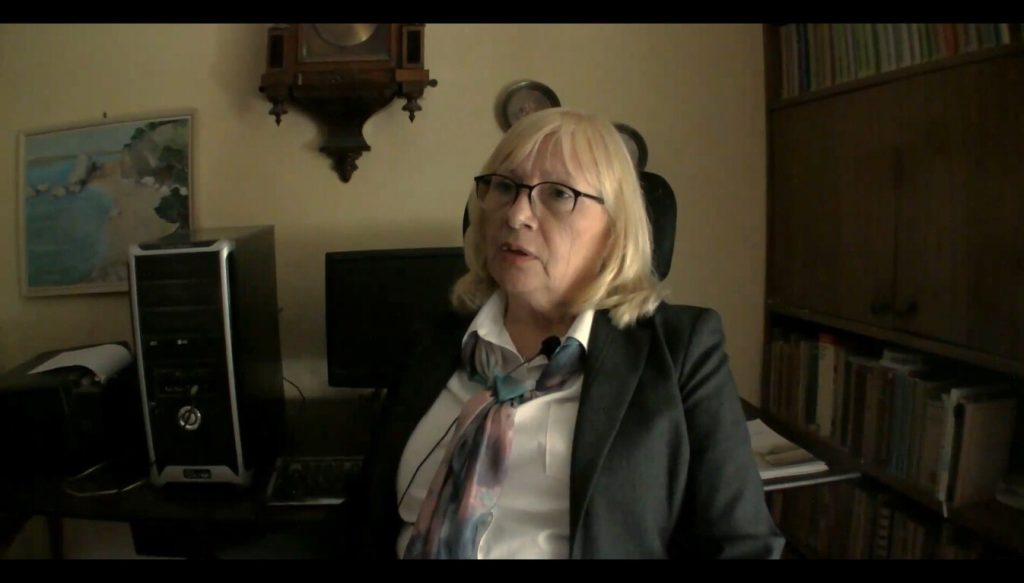
The subject of filicide has long been examined within psychiatric and historical contexts. Defined broadly as the killing of one’s own child, it encompasses various subcategories including infanticide and neonaticide. One of the most recognised classification systems, developed by psychiatrist Phillip Resnick, identifies several motives, including altruistic reasons, psychosis and revenge against a partner. It is this final category that the documentary focuses on, drawing parallels to the ancient myth of Medea, a figure who killed her children to punish her husband. By linking modern cases to historical narratives, the film highlights how this phenomenon, while rare, has existed for centuries.
There are also attempts to explore whether such crimes can ever be predicted or prevented. Comparisons are briefly made to fictional concepts of pre crime, suggesting the difficulty in identifying individuals capable of such acts before it is too late. While these ideas are interesting, they also underline the complexity of the issue and the limitations of current systems.
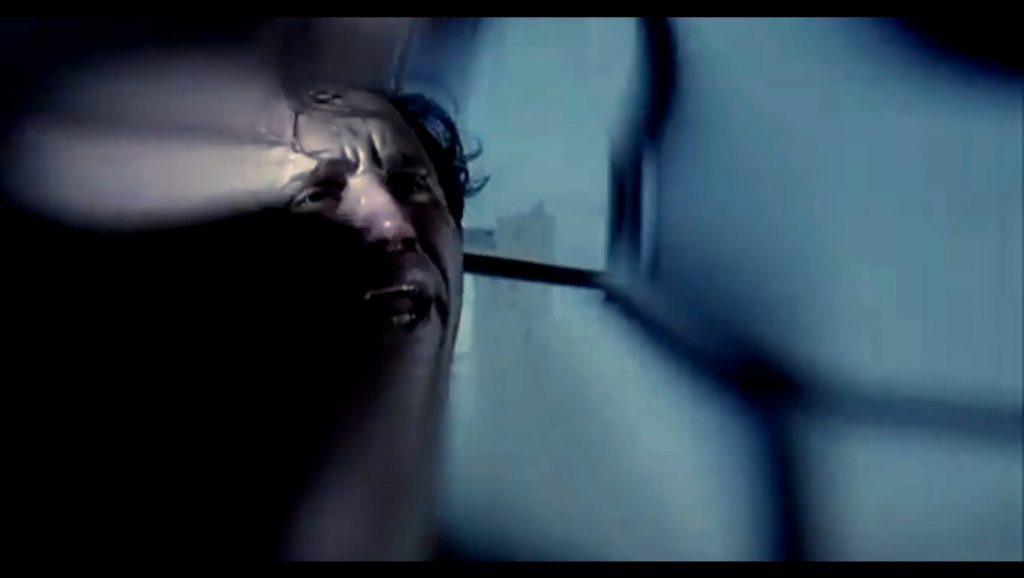
From a technical standpoint, the documentary is somewhat uneven. There are moments where lighting and colour grading fall short of a fully polished production, occasionally making certain scenes harder to follow visually. However, these issues do not detract significantly from the overall impact. The strength of the film lies in its subject matter and the access it provides to real testimonies and expert opinions.
One slightly unusual creative choice is the inclusion of clips from the Jim Carrey comedy Liar Liar. While the intention behind their use is understandable, they feel somewhat out of place within such a serious and emotionally heavy piece. Nevertheless, this does little to diminish the core message of the documentary.
Ultimately, FILICIDE – as a Means of Revenge Against a Partner is an important and unsettling work that shines a light on a deeply uncomfortable subject. It is not designed for easy viewing, but for reflection and awareness. By combining real life cases with psychological analysis, Marušić delivers a documentary that lingers in the mind long after it has finished. It may not be perfect in its presentation, but its relevance and intent make it a worthwhile watch.
| Acting | |
| Direction | |
| Cinematography | |
| Writing | |
| Sound | |
| Screen Critix Rating |