
A seemingly ordinary dinner date spirals into grotesque body horror in Mark G. Lakatos’ short film Meat Locker, a six minute slice of extreme cinema that is as stylish as it is stomach churning.
The film opens with a couple enjoying a meal at a restaurant, casually discussing food in a way that initially feels mundane and even slightly playful. The tone shifts dramatically when the woman suddenly becomes unwell. At first glance, it appears as though something she has eaten may be the cause, but the truth is far more urgent and natural. She is pregnant, and her waters have broken. What begins as a grounded scenario quickly mutates into something far darker once the couple are rushed to hospital.

From this point onwards, Meat Locker abandons realism in favour of surreal, grindhouse inspired horror. While the man waits anxiously in the hospital waiting room, the woman is subjected to a deeply unsettling procedure carried out by surgeons who behave less like medical professionals and more like deranged culinary enthusiasts. They refuse epidurals or any form of pain relief, opting instead for a brutal and exaggerated surgical approach that is intentionally shocking. The procedure becomes grotesque spectacle, complete with graphic imagery, blood effects, and disturbing dialogue about consuming the baby and serving placenta based dishes. It is deliberately provocative material that is clearly designed to unsettle and provoke a visceral reaction.
Directed by Hungarian filmmaker Mark G. Lakatos, who has previously featured on Screen Critix, the short continues his trend of visually striking and stylistically bold filmmaking. According to the director’s own statement, Meat Locker merges classic grindhouse cinema with social commentary, exploring themes tied to gluttony and humanity’s disregard for life. That intent is visible throughout the film’s exaggerated tone, which uses shock value as a vehicle for deeper thematic darkness rather than simple exploitation.
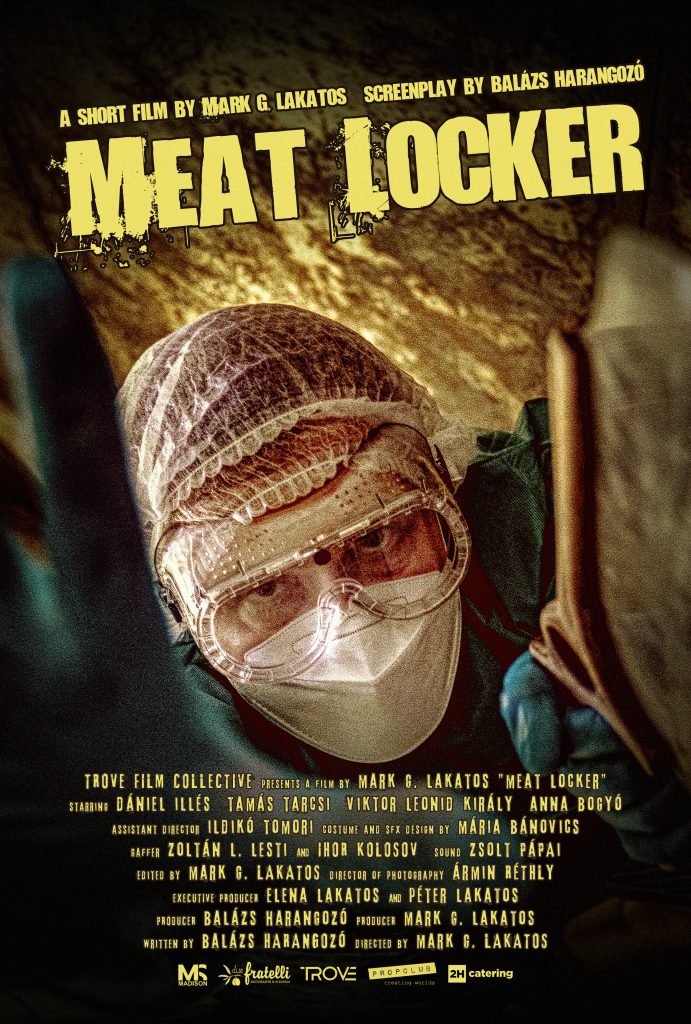
One of the most unusual creative choices is the casting approach, as the same performer portrays both members of the couple. This decision adds an extra layer of surrealism and disorientation, making the narrative feel even more off kilter. Rather than breaking immersion, it enhances the film’s bizarre atmosphere and reinforces the sense that the story exists in a heightened, almost nightmarish reality.
Technically, the short is impressively crafted. The cinematography by Ármin Réthly is consistently well framed, with careful attention paid to lighting and colour grading that gives the hospital setting an artificial and clinical intensity. Despite not being filmed in a real hospital environment, the production design does a convincing job of selling the illusion through the use of curtains, surgical tools, costumes, and sound design elements. The beeping machines, ambient audio, and medical cues all contribute to a believable setting while still allowing the film’s absurdity to flourish.
Sound work by Zsolt Pápai is particularly effective, supporting the tension without overwhelming the visuals. Meanwhile, Lakatos’ editing keeps the pacing tight and purposeful, ensuring that the film never overstays its welcome despite its extreme subject matter. At just over six minutes, it is concise but impactful, delivering its shock driven narrative with efficiency.
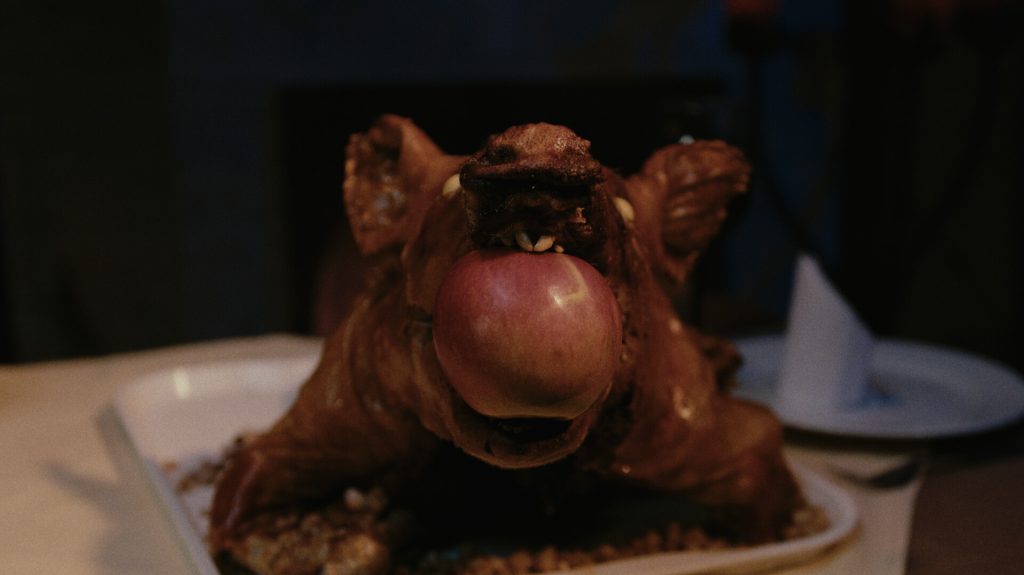
The special effects and makeup, handled by Mária Bánovics, deserve special mention. The gore is unapologetically graphic, featuring scalpels piercing flesh, blood spray, and umbilical imagery that will undoubtedly test the tolerance of squeamish viewers. However, the effects are clearly stylised rather than realistic, aligning with the grindhouse aesthetic the director is aiming for. This makes the film feel more like an artistic horror piece than pure shock cinema.
That said, Meat Locker will not be for everyone. Viewers sensitive to gore, cannibalistic themes, or surgical horror may find the experience deeply uncomfortable. The film also features scenes of aggressive eating and meat consumption that may turn the stomach for some audiences. Yet for fans of experimental horror and festival circuit genre shorts, these elements will likely be seen as part of the film’s bold identity rather than a drawback.
What ultimately elevates Meat Locker beyond simple shock value is its craftsmanship and clear thematic intent. Beneath the grotesque imagery lies a commentary on excess, consumption, and the darker instincts of humanity. Lakatos uses extreme horror not just to disgust, but to provoke thought about the metaphorical consumption embedded in modern society.
In the crowded landscape of short horror films, many play it safe with limited locations and restrained concepts. Meat Locker does the opposite. It embraces risk, embraces discomfort, and leans fully into its grindhouse inspiration while maintaining a polished technical presentation. The result is a short that is undeniably divisive but also memorable.
While it may not be everyone’s cup of tea, there is no denying that Meat Locker is stylish, well produced, and unapologetically bold. Its shocking premise, strong visual execution, and thematic ambition make it a natural fit for horror festivals and audiences who appreciate boundary pushing genre cinema.
| Acting | |
| Direction | |
| Cinematography | |
| Writing | |
| Sound | |
| Screen Critix Rating |