
In just over three minutes, Helpline, directed by John Alen, delivers a tense and emotionally layered exchange between two strangers, one behind a desk and the other in crisis.
Henry (Alex Carrasco) is starting his first day working at a suicide prevention hotline. After being guided to his workstation by an unseen manager, he logs into the system, puts on his headset, and is immediately met with a ringing phone. On the other end is Mia (Jade Stewart), who casually places an order for a pepperoni pizza.
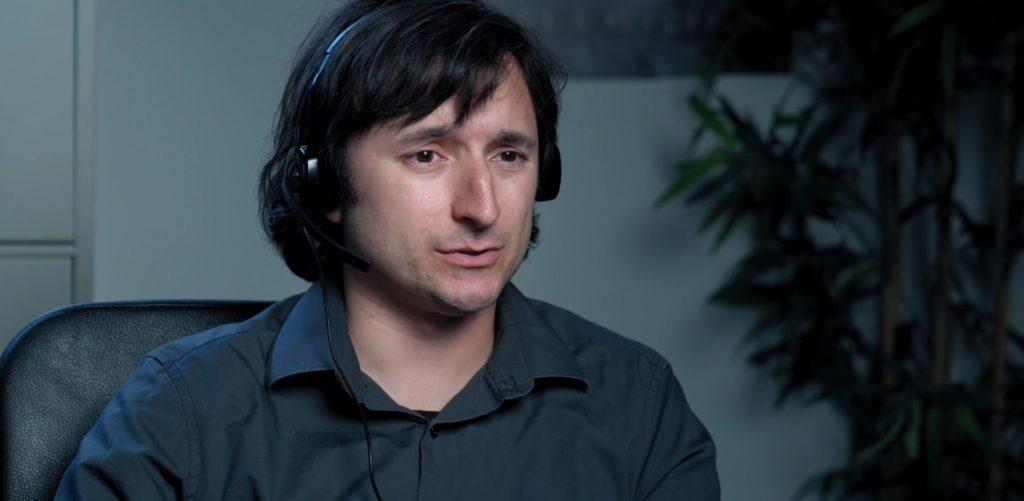
Henry assumes she has called the wrong number. Mia then reveals she dialed intentionally and admits she is experiencing suicidal thoughts. Her tone is unusual. She uses humor, sarcasm, and a slightly cocky attitude, almost as if she is performing. Beneath that surface, however, is clear vulnerability. Her confidence feels like a mask rather than a reflection of how she truly feels.
Henry is caught off guard but understands he must take every word seriously. When Mia begins counting down from five, threatening to follow through with her plan, he abandons any script and speaks from personal experience. He tells her he has struggled with suicidal thoughts himself and recalls a moment involving his therapist. His response is imperfect and rushed, but it is honest, and that honesty becomes the emotional core of the film.
For such a brief runtime, Helpline handles its subject with care. It avoids melodrama and instead focuses on a single moment of human connection. The film does not promise easy answers. It shows how difficult and fragile these conversations can be, especially when someone hides their pain behind humor.

Visually, the film keeps things simple. The framing relies mostly on close ups and medium close ups. Henry remains seated at his desk, while Mia sits on her bed, holding a razor blade. There is little movement or blocking, and the camera stays steady. These choices may reflect the small scale of the production, but they also keep attention firmly on the performances and dialogue.
Carrasco plays Henry with a grounded, believable nervousness. He feels like someone new to the job, trying to stay calm while the pressure builds. Stewart gives Mia dimension. Her mix of flippancy and emotional exposure creates a character who feels real rather than symbolic. Her cocky tone never makes light of the situation. Instead, it suggests someone trying to stay in control of overwhelming feelings.
Technically, the short is solid. The lighting is clean, the image is clear, and the audio is crisp, which is essential in a film driven almost entirely by conversation. The minimal use of music allows the dialogue to carry the emotional weight.
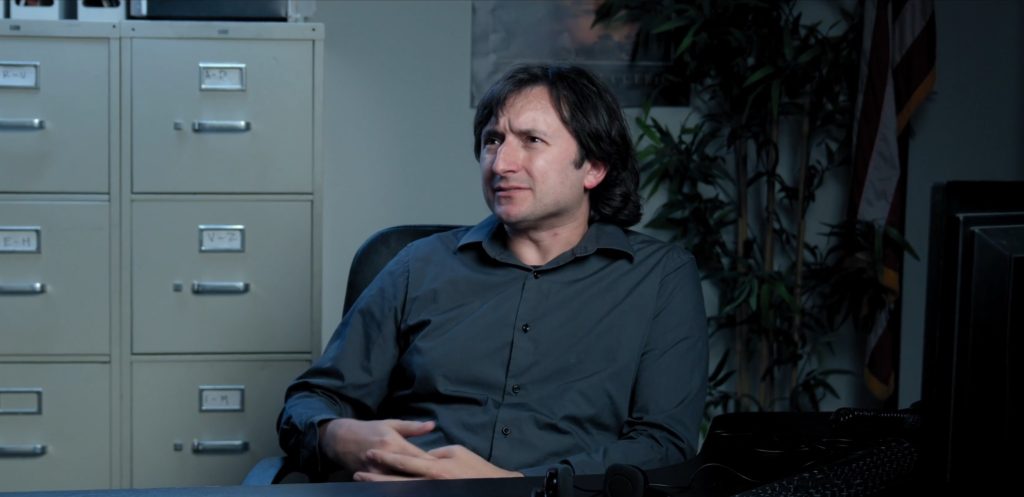
A longer runtime could have added visual variety, perhaps showing more of Henry’s workplace or Mia’s surroundings. Even so, Helpline achieves what it sets out to do. It creates tension, empathy, and reflection in a very small window of time.
This is a micro short with a powerful message. It reminds viewers that humor can hide distress, and that listening seriously can make a difference. If you are struggling, reach out. There are people ready to listen.
| Acting | |
| Direction | |
| Cinematography | |
| Writing | |
| Sound | |
| Screen Critix Rating |